
August 13, 2026
By late September, the "Open" flags start coming down on the Spit. La Baleine Café winds down toward its off season. Fresh Catch Cafe, which only opened for the year back in May, goes dark until the ice clears from Kachemak Bay. Swell Taco's window shuts, and the line of tourists that formed there all summer disappears with it. If you judged Homer by what's closed, you'd think the town goes quiet for six months.
It doesn't. It just changes who's running it.
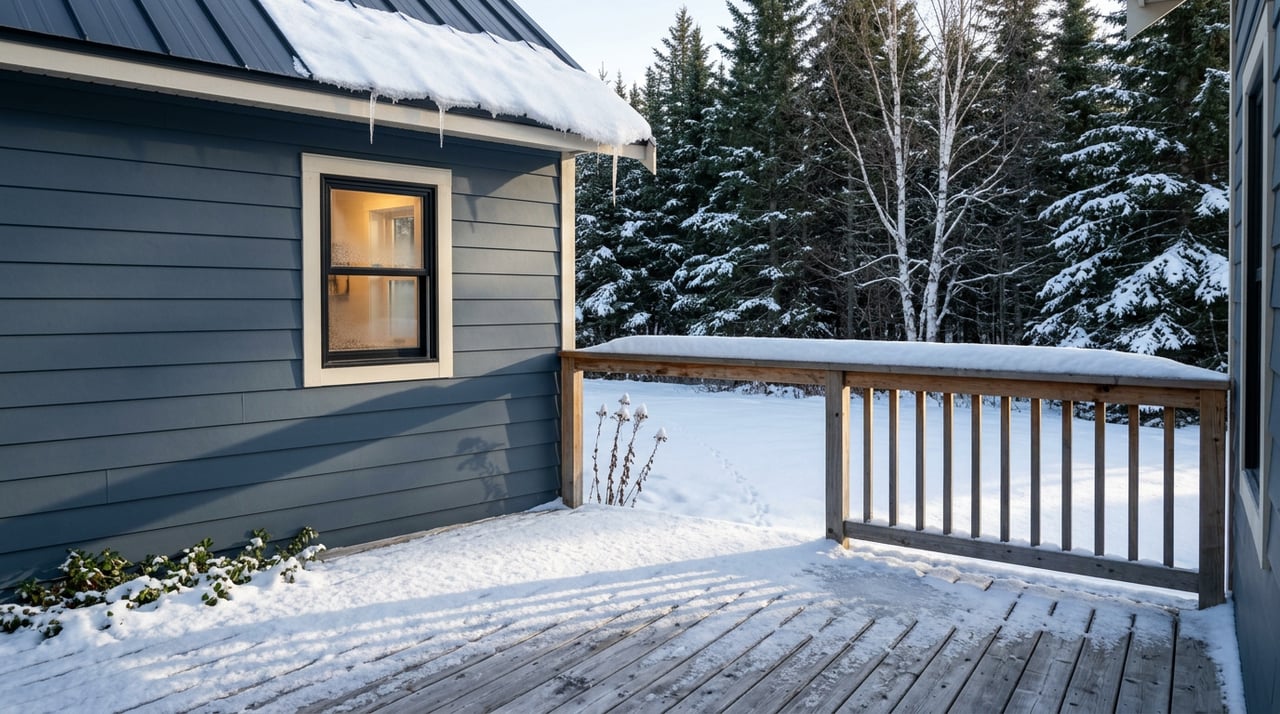
Homer's summer economy is built on seasonal businesses that open for visitors and close when they leave. Its winter recreation calendar is built on something almost the opposite: a set of volunteer nonprofits that groom trails, flood ice, and stage races entirely on their own time, for an audience that never leaves town. Understanding that difference explains a lot about how Homer actually spends December through March, and why locals talk about certain winter events like they're civic duty rather than hobby.
The businesses built around the summer harbor crowd run on a tight seasonal clock. Fresh Catch Cafe is a seasonal Spit spot that opened for the 2026 season on May 9 and closes when the season does, timed to when the halibut boats and the tourists are both in town. Swell Taco follows a similar rhythm, reopening for the 2026 season on May 5 after sitting closed all winter. La Baleine Café, on the Homer Spit, publishes new season hours each spring rather than running a year-round schedule.
None of that is a knock on those places. It's just a signal. When the businesses built for visitors go dark, the infrastructure built for residents turns on, and it's a bigger operation than most people who've only seen Homer in July would guess.
The gap left by the seasonal harbor businesses gets filled by three volunteer organizations, none of which are run by the city.
| Who runs it | What they maintain | Scale |
|---|---|---|
| Kachemak Nordic Ski Club | Trail systems at Baycrest, Lookout Mountain, and McNeil/Eveline | More than 80 kilometers of groomed ski trail |
| Homer's Snomads | Backcountry snowmachine trails toward the head of the bay and into the hills above town | More than 90 miles of groomed trail |
| Kachemak Ski Club | The Homer Rope Tow, a downhill and snowboard hill | 20 acres of terrain off an 850-foot tow with 260 feet of vertical, running more than 70 years |
Between the Nordic ski club's cross-country network and the Snomads' backcountry system, that's nearly 140 miles of maintained winter trail before you even count the rope tow's 20 acres of downhill terrain, all of it run by clubs that don't charge the kind of fees or carry the kind of budget a municipal parks department would need to keep that footprint alive. The Kachemak Nordic Ski Club also runs Friday Night Lights, an evening of torch-lit and candlelit skiing on its trail system complete with a warming fire, and the club's trails have hosted a stop on the ConocoPhillips Besh Cup, Alaska's top cross-country ski race series. None of it happens because a city budget line says it should. It happens because a small group of people decided it would.
The clearest example of how this works is the Homer Epic, a human-powered 50-kilometer or 100-kilometer race through the Caribou Hills that lets athletes ski, bike, or run their chosen distance, switching disciplines right up until they start. It's organized entirely by the Homer Cycling Club, and it exists as much to raise money for trail building as it does to test endurance. This year's race, held March 7, 2026, drew nearly 100 athletes: 62 on fat bikes, 22 on foot, 14 on skis. The 2027 edition is set for March 13, with registration opening November 1, 2026.
"I think (the Homer Epic) is an inspirational event for athletes from Homer and around Alaska," Chuck Lindsay, an event organizer with the Homer Cycling Club, told Homer News after this year's race.
What's easy to miss is where the money goes. Proceeds from the Homer Epic feed the Homer Cycling Club's general fund, and organizers have said some of it is likely to go toward building the Eastland Trails out East End Road. The race that tests this year's athletes is quietly paying for next decade's trail system. That's the pattern across all of Homer's winter recreation: the infrastructure isn't handed down from a budget office, it's built by the same small circle of people who use it, funded by the events they put on themselves.
Because so much of Homer's winter runs on volunteers working around real weather rather than a fixed municipal schedule, the calendar has a flexibility that surprises people used to city-run recreation programs. The clearest example is the Homer Winter King Salmon Tournament, one of the town's marquee winter fishing events. In 2026, the tournament was originally scheduled for March 28. Cold temperatures thickened the ice in parts of the harbor, and with little of that ice clearing out, organizers made the call to postpone the tournament to Saturday, April 4.
That single-week shift wasn't simple. Because the new date landed after March 31, anglers suddenly had to fish under a different set of state regulations that take effect April 1, a wrinkle organizers had to explain to every registered team. It's a small detail, but it says something real about winter here: the harbor decides the schedule, not the calendar on the wall. A town that ran its winter events through a parks department with fixed dates and permits would have a much harder time making that kind of call on short notice. A volunteer-run tournament can.
Not everything in a Homer winter is about trails and ice. Every February, the Homer Winter Carnival pulls the whole town onto Pioneer Avenue for a parade at noon, featuring floats from local businesses, civic groups, and families who've been building the same entry for years. This year's theme was "Snow Much Love," timed to land over Valentine's weekend. It's the one weekend where Homer's winter stops being about who's grooming what trail and becomes, briefly, about everyone showing up on the same street at the same time.
The Pratt Museum and other venues around town layer concerts, exhibits, and ice races into that same week, so the carnival weekend ends up functioning as a kind of midwinter check-in for the whole community rather than a single afternoon event.
With the seasonal Spit spots shuttered, the restaurants that carry Homer through winter tend to be the ones with roots that predate the tourist economy entirely. AJ's Oldtown Steakhouse & Tavern has been operating in Homer's historic waterfront district since 1941, when it opened as the Homer Cafe & Club, the town's first bar. Water Rudders, on Beluga Lake, holds the distinction of being Homer's first full-service restaurant and bar built around a working seaplane base, a setting that's more striking in winter light than it ever is in the July rush. These are the places that don't run on a seasonal clock, because they were never built around one.
None of this changes how a house shows or what it's worth, but it does say something about what buyers are actually paying for when they choose a lot near the Baycrest trailhead or a place within walking distance of Old Town. The volunteer infrastructure that keeps Homer's winter alive isn't listed on any spec sheet, but it's part of what makes a Homer address different from a Kenai Peninsula address on paper alone. If you're weighing a purchase against what a place is like in February, not just August, that's worth understanding before you sign anything.
If you're thinking about what a specific property means for your winter, not just your summer, the team at Valerie Buss - Kachemak Real Estate Group can walk you through it property by property. Schedule a free consultation and we'll talk through what a place actually offers once the harbor ices up.
Stay up to date on the latest real estate trends.
Leading with our core standards and values we approach every decision with honesty and integrity. We take great responsibility in doing the right thing because it is the right thing to do.