
June 25, 2026
Wondering if a seasonal home in Homer is as simple as showing up for summer and locking the door when you leave? In reality, owning a second home here can be deeply rewarding, but it works best when you plan for weather, access, utilities, and local support from day one. If you are thinking about buying a part-time home in Homer, this guide will help you understand what ownership really looks like and how to make it work smoothly. Let’s dive in.
A seasonal home in Homer is not just a summer getaway. Homer Airport climate normals show mild summers and cool winters, with average July highs around 63.1°F and January highs around 31.8°F. Annual precipitation averages 23.88 inches, so your home needs to handle moisture, cold, and changing conditions even when you are away.
That matters because seasonal ownership here is more about preparation than convenience. You are not just buying views or access to favorite seasons. You are buying a property that needs a plan for winter readiness, maintenance, and travel timing throughout the year.
Travel to Homer can be seasonal in a very real way. The City of Homer directs drivers to 511 Alaska for current road conditions and winter driving tips, and the Alaska DOT notes that Homer is the end point of the Sterling Highway. If you plan to drive in during shoulder season or winter, flexible travel dates can make ownership less stressful.
Homer also has recurring seasonal events that create busy windows throughout the year. The Alaska DOT byway page highlights events like Winter Carnival, the Winter King Salmon Tournament, the Kachemak Bay Shorebird Festival, the Wooden Boat Festival, Kachemak Kayak Fest, Oktoberfest, and the annual Nutcracker Ballet and Arts Fair. That can affect guest visits, service scheduling, and how often you want the home ready for use.
The biggest shift for many seasonal owners is realizing that an empty house still needs active care. In Homer, weather and road conditions can affect both access and utilities, so it helps to think of your home as an operating system that needs attention whether you are there or not. A simple lock-and-leave approach may not be enough.
A practical local support plan often includes:
This kind of backup is especially useful when cold weather arrives early or travel plans change. If you live out of state, having trusted local help can make a big difference in protecting the property and your peace of mind.
Winter prep is one of the most important parts of owning a seasonal home here. EPA guidance recommends insulating water lines along exterior walls, shutting off and draining outdoor spigots before freezing weather, keeping indoor temperatures from dropping too low, and knowing where shutoff valves are if a pipe bursts. It also recommends testing smoke and carbon monoxide alarms monthly and replacing batteries at least once a year unless the units use sealed 10-year batteries.
If the home will be unoccupied and unheated during cold weather, University of Alaska Fairbanks Cooperative Extension guidance adds more steps. That includes notifying utility providers, turning off the water supply at the main valve, draining pipes, draining the hot-water heater, and using non-toxic antifreeze in sink, tub, and toilet traps. The core goal is simple: protect the plumbing, drain system, and heating system from freeze-up.
Before leaving a Homer seasonal home for an extended period, review steps like these:
These tasks are not just one-time setup items. In Homer, they are part of the ownership routine.
Utility planning can vary depending on where the property sits. Inside city limits, Homer Public Works manages water and sewer services. The city’s published fee schedule includes a seasonal sewer meter concept for June 15 through September 15 for water that is not discharged to the sewer system.
That means utility setup is worth reviewing early if you only use the property part of the year or expect a lot of outdoor summer water use. It is smart to verify current terms and service details with Public Works rather than assuming every property will work the same way. Seasonal owners often benefit from asking detailed questions before closing, not after move-in.
Not every seasonal home in Homer comes with the same upkeep or access profile. A home’s exact location can affect exposure to weather, road access, maintenance needs, and how much local support you may want in place. That is especially true for waterfront, near-water, or highly exposed areas.
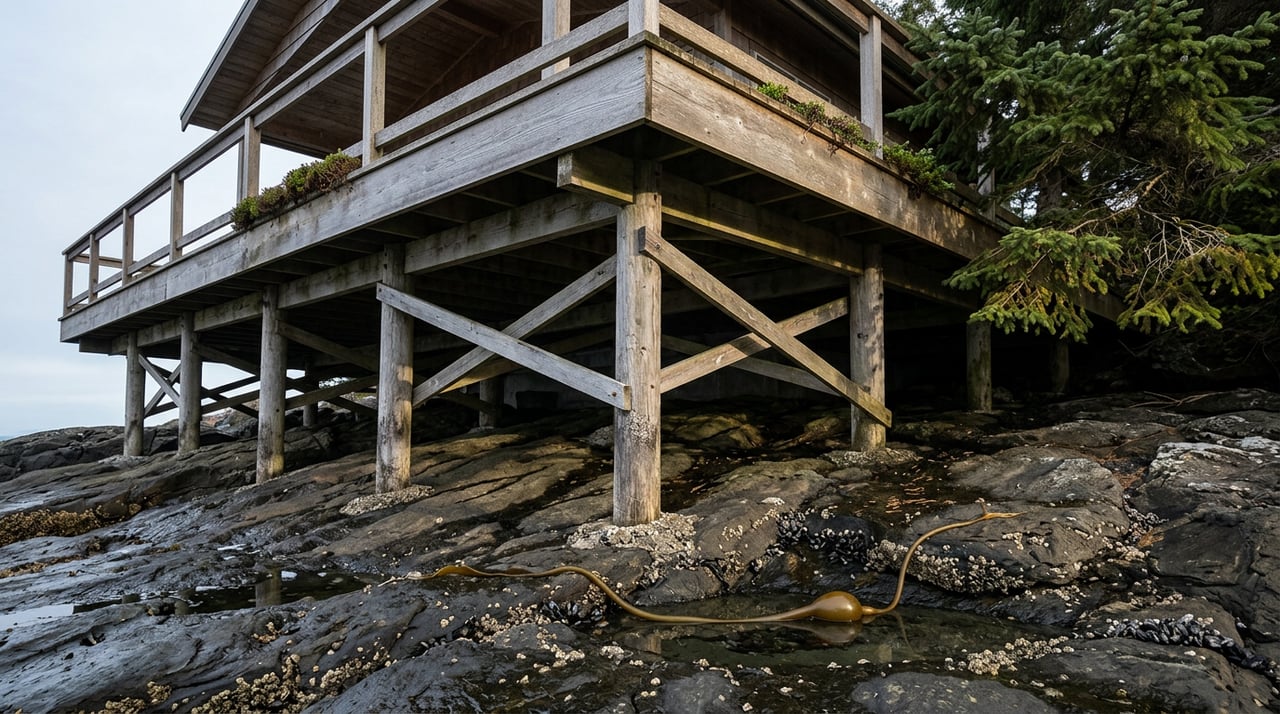
For example, the City of Homer says storm-driven waves seasonally overtop Homer Spit Road, and a 2024 storm caused road damage and emergency repairs. The city also notes that shoreline structures on the Spit have experienced repeated damage. If you are considering the Homer Spit or other exposed shoreline locations, it is important to understand that the setting may come with a different maintenance and access story than a home in another part of the area.
Before you buy, consider asking:
These questions can help you compare homes beyond appearance alone. In a place like Homer, a beautiful setting and a workable ownership plan should go together.
Many buyers like the idea of using a seasonal home personally and opening it to paying guests at other times. That can be possible, but it is important to separate casual guest use from a true short-term rental operation. In Homer, those are not the same thing.
The City of Homer’s short-term rental page distinguishes among hosted sharing, unhosted sharing, and dedicated vacation rentals. The city also notes that it has continued discussing short-term rental policy after Ordinance 23-61(S) was not adopted. If you are thinking about future rental use, it is worth getting clear on current local requirements and how your intended use fits into them.
Alaska Commerce states that collecting rental income requires an Alaska business license. It also reminds owners to check with local government for any added licensing or sales tax requirements. If your seasonal home may shift from private use to paid guest use, those questions should be addressed early.
A second home that welcomes guests can create flexibility, but it also brings practical responsibilities. The City of Homer notes possible impacts tied to short-term rentals, including noise, parking issues, and reduced long-term housing availability. That is helpful context for owners who want to be thoughtful about how a property fits into the surrounding area.
In practical terms, guest use usually means more planning, not less. You may need a more structured cleaning schedule, faster maintenance response, and clearer house systems for arrivals and turnovers. Even if the home is mainly for your own use, thinking through those details can help you decide whether rental use truly matches your goals.
The seasonal homes that tend to work best in Homer usually have one thing in common: a clear local plan. That plan covers heat, water, access, maintenance, and trusted people who can help when you are away. Without that support, even a great property can feel complicated from a distance.
For many buyers, the right fit is not just the home itself. It is the combination of property, location, systems, and realistic expectations about part-time ownership in coastal Alaska. When those pieces line up, a seasonal home in Homer can be both enjoyable and manageable.
If you are exploring seasonal homes, waterfront properties, or a second home on the lower Kenai Peninsula, working with a local team can help you ask smarter questions before you buy. The Buss & Turkington Real Estate Team can help you evaluate properties with Homer’s real-world ownership demands in mind.
Stay up to date on the latest real estate trends.
Leading with our core standards and values we approach every decision with honesty and integrity. We take great responsibility in doing the right thing because it is the right thing to do.