
May 28, 2026
Wondering whether Homer is the right fit for your boat and your lifestyle? If you want easy harbor access without giving up practical home storage, Homer offers real opportunities, but it also comes with rules, tradeoffs, and seasonal realities you need to understand. The good news is that with the right property strategy, you can line up your home, trailer space, and launch routine in a way that works well year-round. Let’s dive in.
Homer is one of the lower Kenai Peninsula’s most boat-oriented communities because the harbor is built to support regular use. Homer Harbor operates a five-lane Load and Launch Ramp for trailered vessels and offers services that make day-to-day boating easier, including potable water, fuel floats, electricity, used-oil disposal, trash and battery disposal, fish-cleaning stations, and a seasonal sewage pump-out station.
The harbor also has a harbor officer on duty 24 hours a day. For owners who need maintenance support, the city manages a large-vessel haul-out and marine repair facility that generally operates from mid-September to mid-May. That combination makes Homer a true harbor-centered boating town, not just a place with water views.
If you plan to trailer your boat, the public launch ramp is a major part of the picture. From April 1 to October 15, the city charges $25 per boat per launch, and retrieval is included in that fee. If you launch often, a $250 annual recreational launch pass may be worth a close look.
Winter use of the ramp is free. Boats that pay annual moorage or are tied to a reserved stall are also exempt from ramp charges. That can make a big difference if your boating pattern includes frequent trips or year-round use.
Homer Harbor has more than 6,000 linear feet of transient moorage and 920 reserved stalls leased annually from October 1 to September 30. Even with that infrastructure, reserved-stall wait times can vary a lot by stall size, ranging from about one year to as long as ten years.
The city also notes that reserved stalls belong to the person or entity on the waiting list, not to a specific boat. Proof of insurance must be on file for moorage, and hotberths for vessels 40 feet and over may not be available. If you own a larger boat, or plan to move up in size, it is smart to weigh harbor logistics early in your home search.
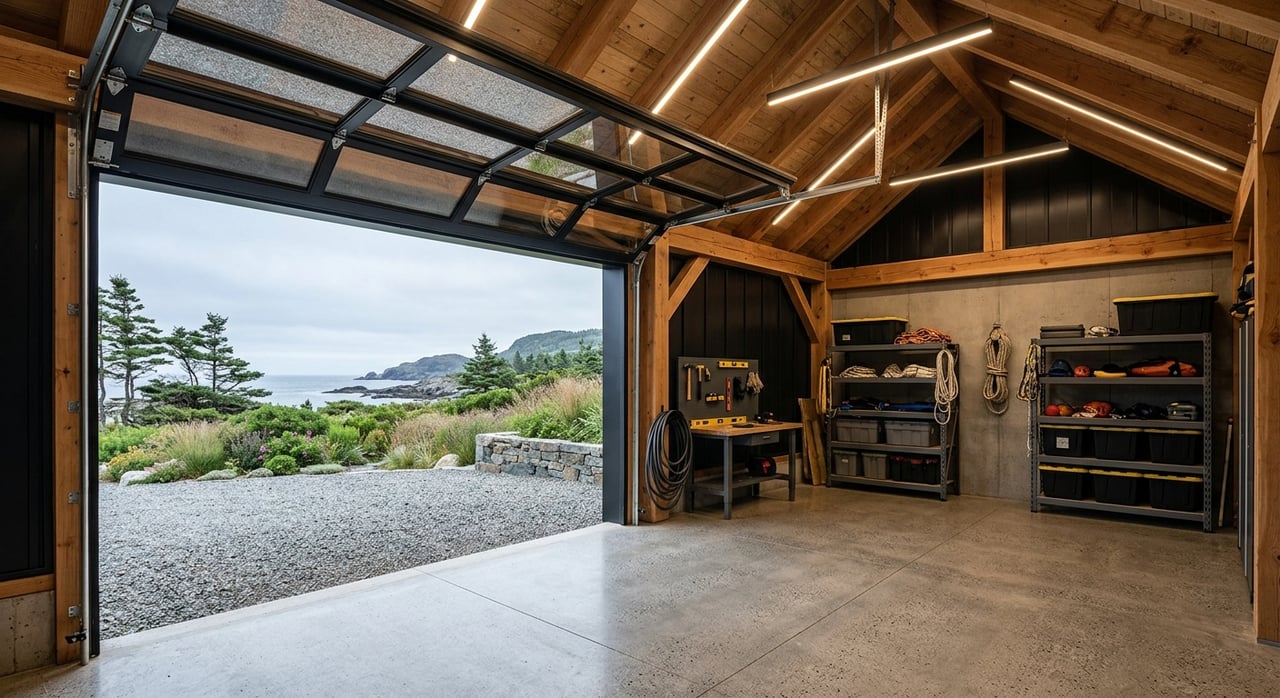
In Homer, a boat-friendly property is often less about being closest to the shoreline and more about having room to store equipment off-street. Harbor parking rules make that clear. Between May 1 and October 1, boat trailers parked on city-owned property for more than seven consecutive 24-hour days can be cited or impounded.
The city notes that private trailer parking is available at local boat yards, and oversized vehicles and RVs must use the Whale Lot for long-term parking. During summer, some ramp-access paved parking areas and the steel grid become fee-pay lots. For many buyers, that makes private driveway space, a garage, or a shop much more valuable than it might seem at first glance.
When you are shopping for a boat-friendly home in Homer, practical features usually matter most:
These features can make everyday ownership much simpler, especially during peak boating season when public parking rules are tighter.
If you are considering storing your boat on your own property, zoning details matter. Homer does not issue building permits, but the city does require zoning permits for new construction and additions. Driveway permits are issued by Public Works, and small accessory buildings under 200 square feet may be exempt from permitting if they still meet setback rules.
In the Rural Residential district, the city allows private outdoor storage of noncommercial equipment, including boats, trucks, and up to one recreational vehicle. That storage must be safe and orderly, must stay at least five feet from property lines, and cannot exceed 36 feet in boat or vehicle length.
For many boat owners, this is why larger upland lots can be especially practical. You may have more flexibility for a shop, a longer driveway, and day-to-day storage, even if you are a bit farther from the harbor.
Homer offers a few distinct living patterns for boat owners. The right fit depends on whether you care most about quick harbor access, coastal setting, or room to store equipment at home.
The Homer Spit and the Kachemak Drive area near the base of the Spit are the most obvious choices if you want to stay close to harbor activity. This area keeps you near the launch ramp, harbor services, and marine-oriented activity. The Homer Spit Trail also runs about 4 miles along the east side of the Spit, and Mariner Park at the base of the Spit is a well-known beach access point.
That said, buyers should not assume that beach access means easy beach launching. Homer’s beach policy generally prohibits driving or parking on city beaches and storm berms, including the Homer Spit beach, with only narrow exceptions in specific areas. In practical terms, Homer boating is best understood as harbor-based rather than beach-launch based.
Areas such as Old Town, Bishop’s Beach, and Beluga Slough offer a different kind of appeal. These locations can provide scenic waterfront living and access to parks and trails. Bishop’s Beach, for example, sits two blocks from Old Town and includes parking, restrooms, and the Beluga Slough trailhead.
These areas may be attractive if you want coastal scenery and a close-in Homer lifestyle. Still, they are not automatically the most practical choice for trailer storage or larger equipment, so it is important to compare lot configuration and access carefully.
Road corridors such as East End Road, East Hill Road, West Hill Road, Skyline Drive, and Diamond Ridge Road are often worth a serious look for boat owners. These areas can offer the tradeoff many buyers need: a little more drive time to the harbor in exchange for more room on-site.
That extra room can matter a lot if you want a long driveway, detached shop space, or yard area for gear. For many buyers, especially those with trailers or multiple outdoor hobbies, an upland property can be the most practical long-term setup.
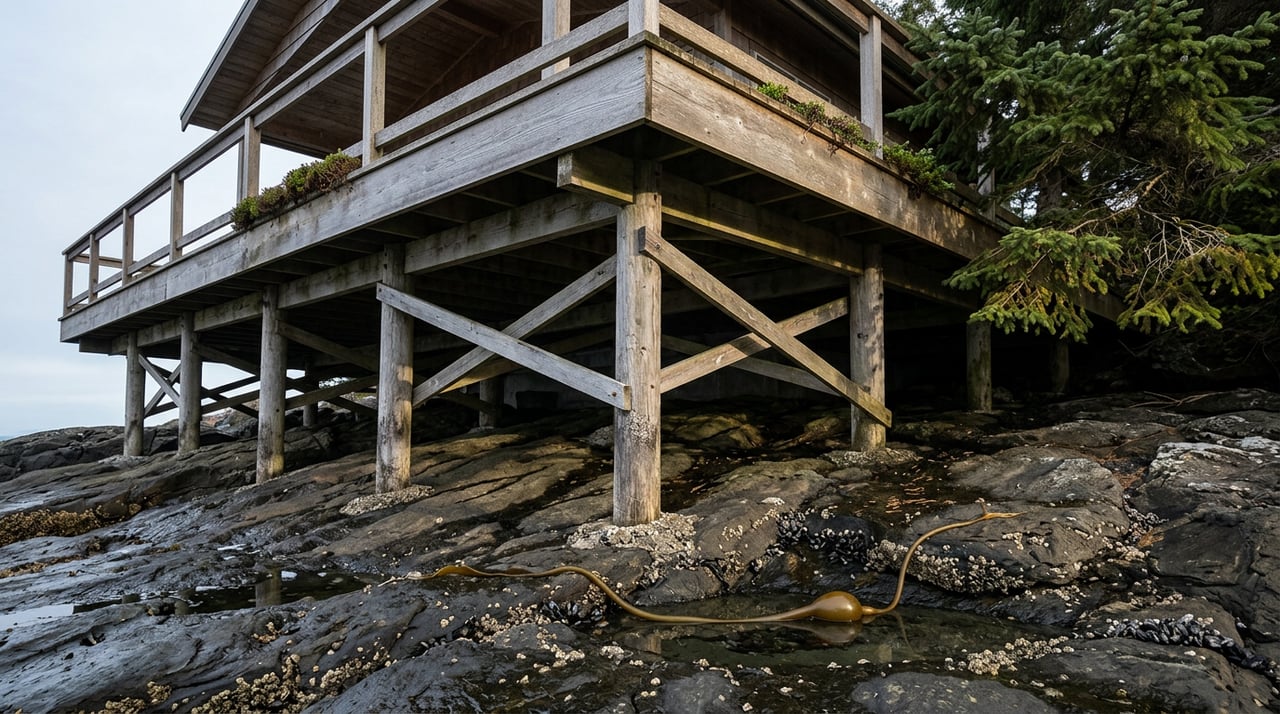
If you are looking at waterfront or near-water property in Homer, flood exposure needs to be part of your decision early on. Homer participates in the National Flood Insurance Program, which means flood insurance is available for structures and contents. The city also states that construction within mapped coastal flood hazard areas requires a Flood Development Permit.
The city’s flood information notes VE-zone exposure along Kachemak Bay and AE flood risk near Beluga Lake. Mapped hazard areas include parts of Beluga Slough, the Kachemak Drive and base-of-Spit area, East End Road, the West Hill area, and the Spit. That does not mean these areas are off the table, but it does mean you should evaluate location, site conditions, and insurance considerations carefully.
Homer’s coastal setting also comes with emergency planning considerations. The city notes that Spit evacuation can be a real scenario in an emergency and provides tsunami danger zone and evacuation information for the area.
If you are comparing harbor-adjacent homes with upland options, this is another useful part of the conversation. Sometimes the most boat-friendly property is not the one closest to the water, but the one that balances access, storage, and risk in a way that fits your goals.
Boat ownership in Homer can work year-round, but your routine may shift with the season. The launch ramp is free in winter, the marine repair facility operates through the off-season, and the harbor offers winter power rates from October 16 to April 15.
That seasonality can shape what kind of home feels most useful. In summer, you may care most about quick launch mornings and easy trailer handling. In colder months, covered storage, a shop, and room for maintenance projects may move to the top of your list.
If boating is a major part of your lifestyle, it helps to think beyond the house itself. In Homer, the best fit usually comes from matching your property plan to your harbor plan.
Ask practical questions such as:
Those questions can help you narrow the search quickly and avoid buying a home that looks great on paper but feels inconvenient once boating season starts.
If you want local guidance on balancing harbor access, property storage, and flood-aware home selection in Homer, the Buss & Turkington Real Estate Team can help you find a property that fits the way you actually live.
Stay up to date on the latest real estate trends.
Leading with our core standards and values we approach every decision with honesty and integrity. We take great responsibility in doing the right thing because it is the right thing to do.