
June 18, 2026
Thinking about buying an older home in Homer? It can be an exciting way to find character, views, and a property that feels connected to the place. It can also come with questions about condition, maintenance, and site-specific risks that matter more here than they might in other markets. This guide will help you focus on the issues that deserve a closer look before you move forward. Let’s dive in.
Homer’s climate puts steady pressure on houses over time. The local climate station reports a mean annual temperature of 37.2°F, about 29.73 inches of annual precipitation, and roughly 100.6 inches of annual snowfall. In practical terms, that means older homes here often need close attention to roofs, drainage, air sealing, and moisture control.
The City of Homer also identifies erosion, flood, landslide, severe weather, tsunami, earthquake, and wildfire as local hazards in its planning. That does not mean every older home has a problem. It does mean your due diligence should go beyond finishes and square footage and include the structure, the site, and the systems that keep the home functioning well.
In Homer, the roof is one of the first places to pay attention. Snow, moisture, and freeze-thaw conditions can make roof age, flashing, gutter performance, and past leak repairs especially important. If you are considering an older home, ask when the roof was installed, whether repairs have been made, and if there is any history of leaks or ice-related issues.
Look closely at how water moves away from the house. Gutters, downspouts, grading, and drainage patterns all matter in a wet, cold climate. Signs like staining, soft spots, peeling materials, or standing water near the foundation can point to moisture issues that deserve follow-up.
If the home sits near a bluff or shoreline, the site deserves just as much attention as the structure. The City of Homer maintains coastal erosion and coastal bluff hazard information, and some stabilization work may require added permits. For bluff or shoreline properties, understanding the lot conditions is a key part of evaluating the home.
Many older homes have less insulation than newer ones. The U.S. Department of Energy notes that air leakage can also contribute to moisture problems that affect durability and indoor health. In an older Homer home, that makes the attic, walls, windows, crawlspace, and basement important areas to evaluate.
As you walk through the home, watch for drafts, condensation on windows, staining on walls or ceilings, and rooms that feel unevenly heated. These clues do not always mean a deal should end, but they can signal gaps in insulation, air sealing, ventilation, or heating performance. In Homer’s climate, those systems work together, so one weak point can affect comfort and maintenance costs.
A whole-house energy assessment can help identify where insulation and air sealing may be lacking. For buyers who want a clearer picture of how an older home may perform through the seasons, this can be a smart next step alongside a general inspection.
Older homes often hide their biggest clues below the main living area. In crawlspaces and basements, look for dampness, staining, musty odors, visible mold, or signs that moisture has been a recurring issue. These areas can tell you a lot about ventilation, drainage, and how well the house has handled Homer’s wet and cold conditions over time.
It is also helpful to notice whether insulation appears consistent and whether mechanical systems look maintained. If something feels improvised, patched together, or neglected, it is worth asking more questions. A home with age is not necessarily a problem, but deferred maintenance can add up quickly.
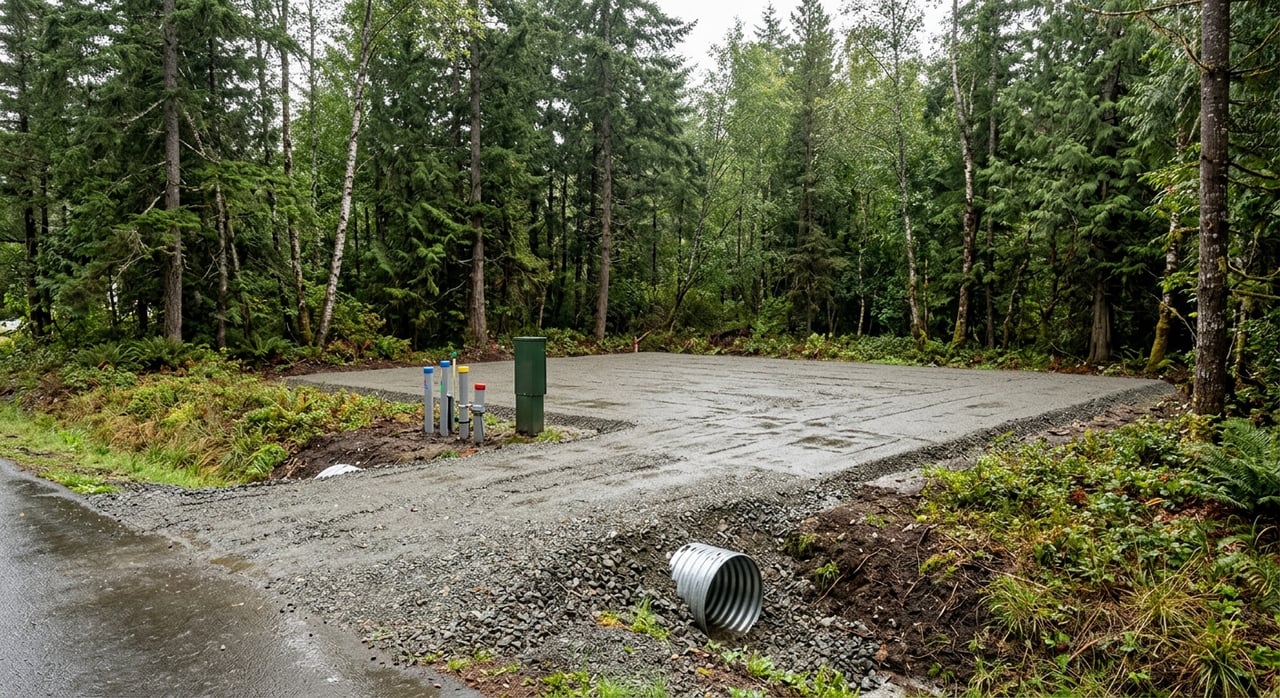
If the property is on septic, this is one of the most important parts of your review. The Alaska Department of Environmental Conservation recommends a visual inspection, obtaining design and construction records from EDMS, and reviewing maintenance records. That paper trail can help you understand the system’s age, layout, and service history.
During a showing or inspection period, ask where the tank and drainfield are located and whether the system has been pumped on schedule. DEC recommends pumping every two years and notes that additives are not useful in Alaska’s cold soils. A seller with clear maintenance records can give you a much better sense of how the system has been cared for.
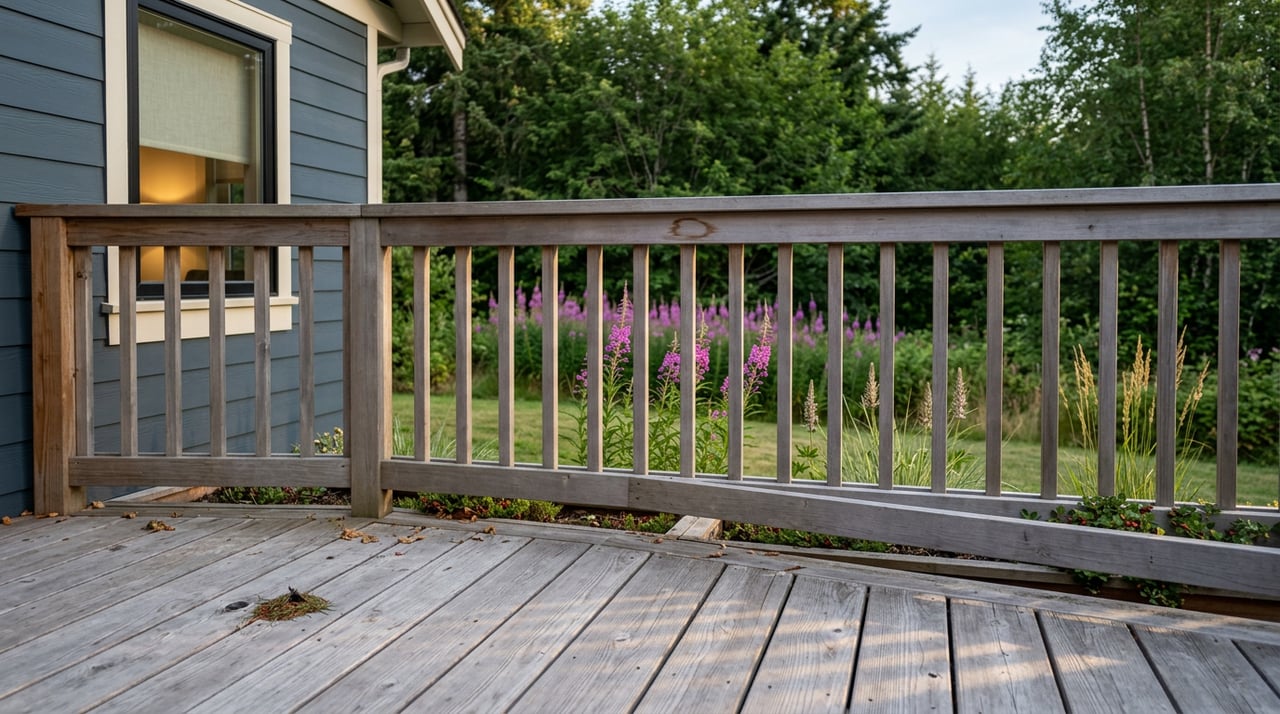
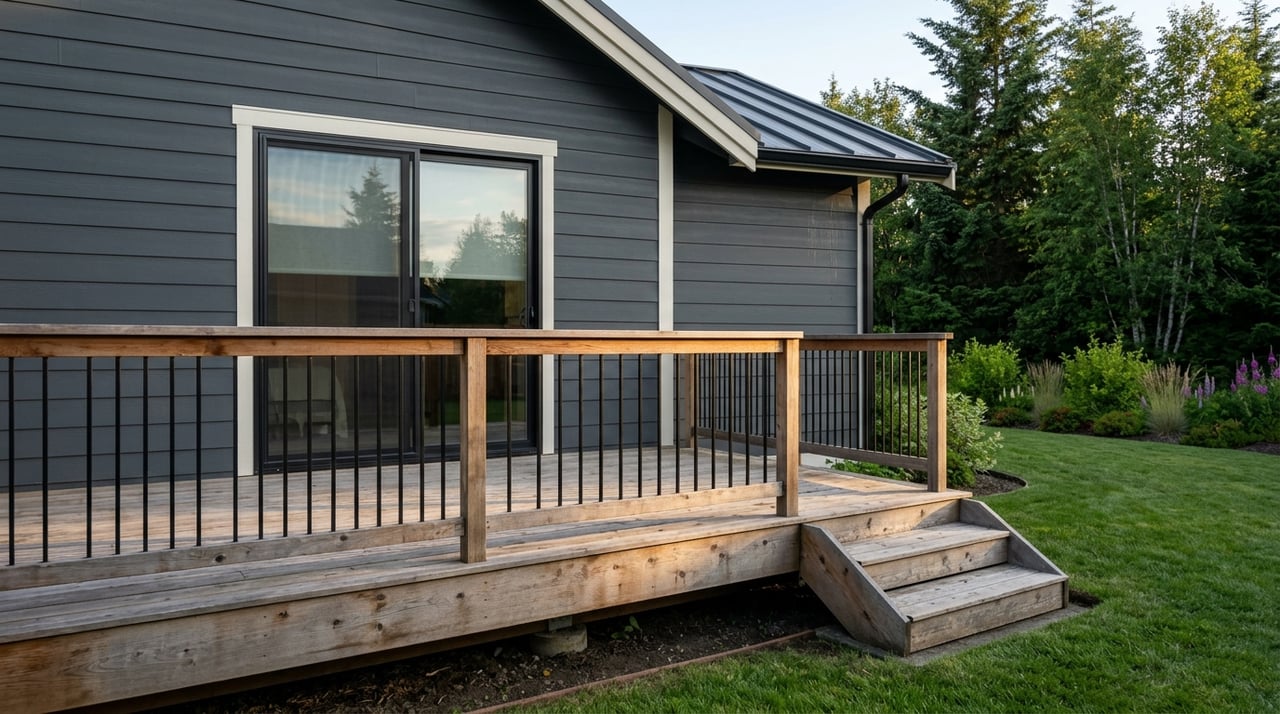
You should also look for warning signs such as slow drains, gurgling plumbing, sewage odors, wet soil over the drainfield, or unusually green grass in that area. DEC also warns against placing driveways, storage buildings, or other structures over the septic tank or drainfield. On older properties with additions, decks, sheds, or site improvements, this is especially worth confirming.
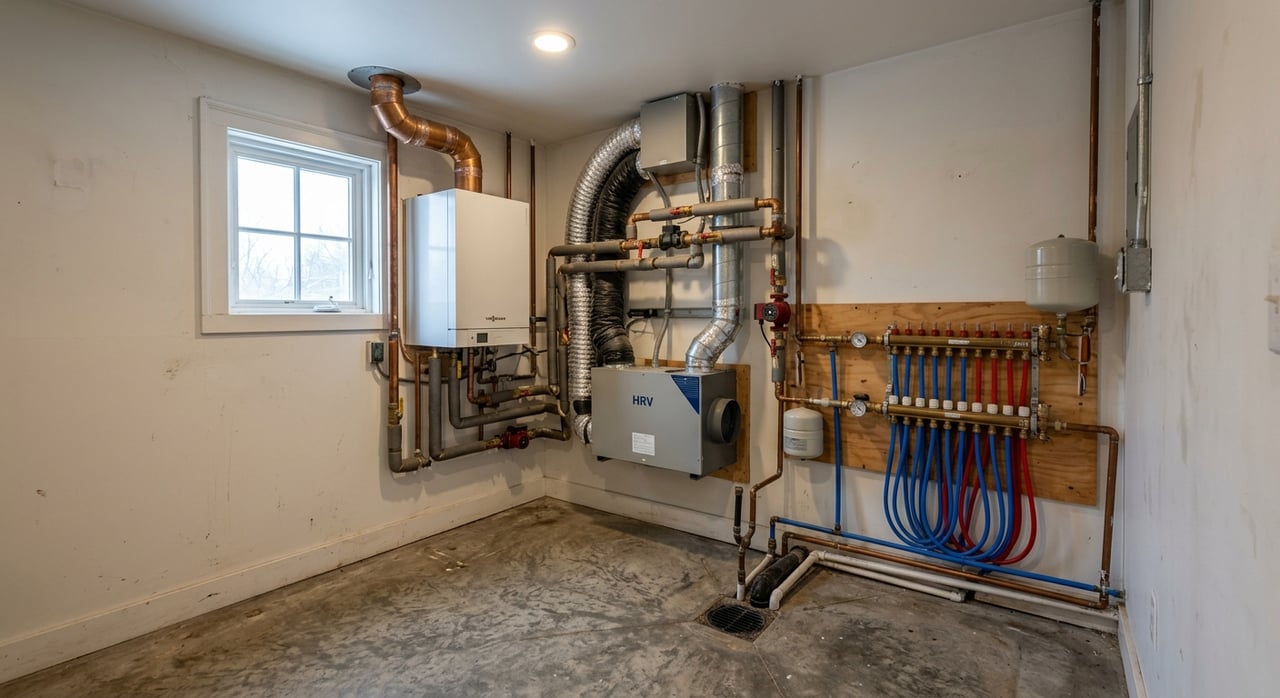
In a cold coastal climate, mechanical systems carry a lot of weight. If the home has a fuel tank or other major mechanical equipment, ask for service records and look for signs of corrosion, venting concerns, or deferred maintenance. Even if the system is functional today, a spotty service history can affect your comfort level with the purchase.
This is where a relationship-first local team can help you stay organized. You do not need to know everything on your own. You do need to know which questions to ask, which records to request, and where to slow down for a closer look.
For some older Homer homes, location is just as important as condition. The City of Homer says mapped coastal flood hazard areas exist along the coastline, and construction in those areas requires a Flood Development Permit. The city also notes that most homeowners policies exclude flood coverage, while flood insurance is available through the National Flood Insurance Program.
If a home is near the bay, the Spit, Beluga Lake, or other low-lying areas, hazard mapping should be part of your due diligence. The city states that the tsunami danger zone includes the Homer Spit, the entire Beluga Lake area, and parts of the airport and Kachemak Drive. Current city maps say maximum inundation in Homer could reach 50 feet.
This does not mean these areas are off limits. It means you should verify how the property is mapped and understand what that may mean for future planning, improvements, and insurance decisions.
Older homes sometimes include additions or outbuildings added over many years. In Homer, permit research can be different from what buyers expect in other places. The city says it does not have a building inspection program and does not issue building permits, but zoning permits are required before new construction and additions.
The city also notes that some small accessory buildings under 200 square feet may be exempt, though setback and other code rules still apply. Public Works handles driveway and water or sewer permits and inspections for those connections. If you are buying an older home with a shed, deck, addition, driveway work, or utility changes, it is worth confirming what approvals were required and whether records are available.
This matters because older improvements can affect value, use, and future project plans. It is much better to understand those details before you make an offer than after closing.
When you tour an older home in Homer, keep your notes focused on the items most likely to affect comfort, cost, and long-term upkeep.
A professional general inspection is the baseline. For many older Homer homes, it can also make sense to consider septic review, an energy assessment, and site-specific hazard due diligence.
An older home in Homer can be a great fit if you go in with clear eyes. Character, location, and long-term potential can absolutely be part of the appeal. The key is making sure you understand how the home has been maintained and how the site conditions may shape your ownership experience.
That is where local guidance matters. In a market with coastal conditions, snow load concerns, septic systems, and location-specific hazards, practical local knowledge helps you ask better questions and avoid surprises. If you want a steady, honest perspective as you compare homes in Homer and the lower Kenai Peninsula, the Buss & Turkington Real Estate Team is here to help.
Stay up to date on the latest real estate trends.
Leading with our core standards and values we approach every decision with honesty and integrity. We take great responsibility in doing the right thing because it is the right thing to do.