
December 18, 2025
Thinking about making the Homer Spit part of your everyday life? If you love boats, fresh seafood, and a front-row seat to Kachemak Bay, living nearby can be a great fit. You also want the full picture on seasons, access, and the tradeoffs that come with a working harbor. In this guide, you’ll learn what daily life feels like, how the seasons shape your routine, and what to consider before you buy. Let’s dive in.
The Homer Spit is a long gravel-and-sand finger stretching into Kachemak Bay. It is a true working waterfront with a busy small-boat harbor, charter operations, commercial activity, and visitor energy, especially in summer. Most residential neighborhoods, including Old Town and the downtown area, sit inland just a short drive or walk from the Spit.
If you value a maritime lifestyle, being close to the Spit puts you near the action. You will hear boat engines, see crews at work, and share space with seasonal visitors. The flip side is easy access to the water, fresh seafood, and a strong sense of place centered on the bay.
The Spit is Homer’s small-boat harbor and a hub for sport-fishing charters, commercial skiffs, and recreational boaters. You will find moorage, charter operators, fuel, tackle shops, and marine services concentrated here. In summer, docks and short-term parking are busy, so plan timing for loading and unloading.
If you keep a boat or plan to charter often, proximity matters. Ask local harbor staff about moorage availability and any waitlists, seasonal rules, and transient dock options. Living close means shorter turnarounds for day trips across Kachemak Bay and beyond.
Fresh seafood is a signature part of Homer. The Spit and nearby Old Town offer casual restaurants, seafood sellers, and popular local eateries that serve residents and visitors alike. Many seasonal food stands and pop-ups operate in summer, with reduced hours or closures in winter.
Homer’s arts scene is vibrant and centered in Old Town galleries, studios, and community organizations. Gallery walks and summer programming add rhythm to the calendar. Bunnell Street Arts Center and several independent galleries anchor the creative community.
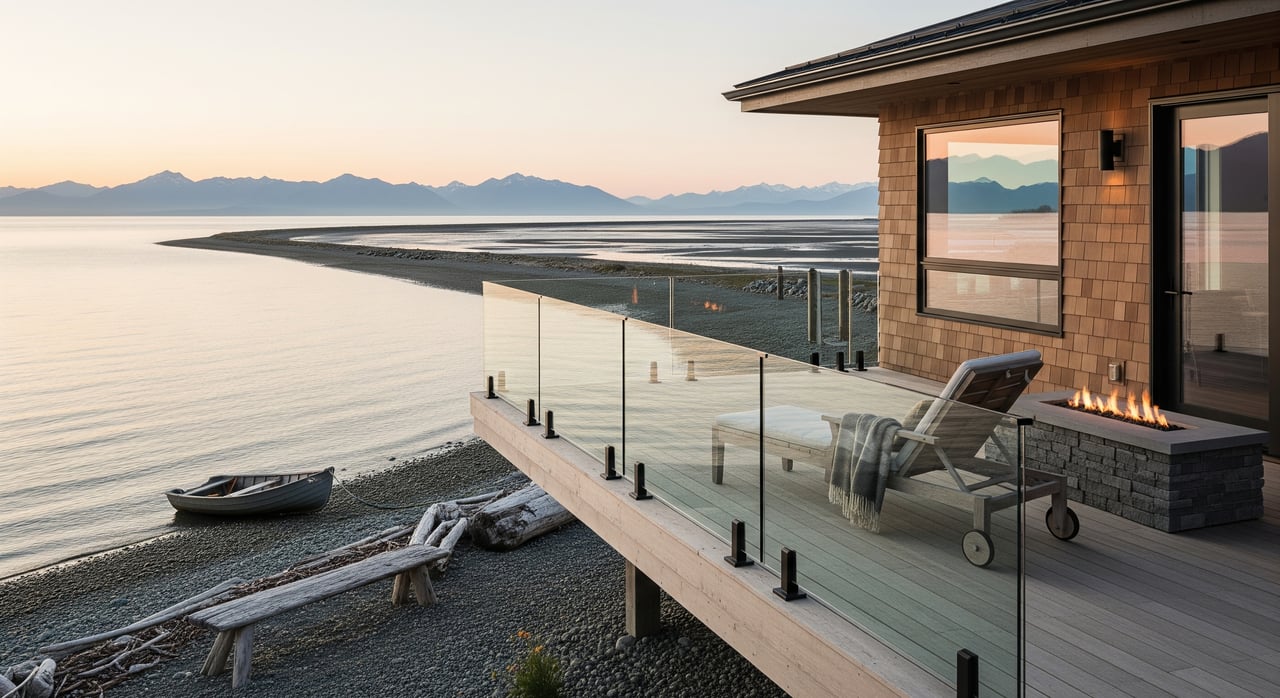
The Spit is a favorite for shoreline walks, boat watching, sunsets, birding, and sweeping views of mountains and glaciers. You can make quick, spontaneous trips to watch changing light or tide action. Around town, parks, beaches, and trails are a short drive from Old Town and the Spit area.
Kachemak Bay State Park and other marine-access areas are reached by boat or water taxi from Homer. That means day hikes, kayaking, wildlife viewing, and remote cabins are part of your backyard routine. If you value outdoor access, living near the harbor makes it simpler to get on the water.
Summer from roughly May to September brings long daylight, festivals and events, and the highest level of harbor and street activity. Expect more traffic, fuller parking, and peak charter operations. The upside is lively energy and maximum access to seasonal businesses.
Shoulder and winter months are quiet, with colder, windier conditions and reduced daylight. Many seasonal businesses reduce hours or close, which some residents prefer for the calmer pace. If you like community-centered life with less pedestrian congestion, the off-season suits you well.
Homer is connected by the Sterling Highway and has a small regional airport with scheduled and charter flights. Public transit is limited, so you will mostly walk, bike, or drive. The Spit and Old Town are highly walkable, but parking gets competitive in summer.
Daily services such as groceries and medical care are in town, with local clinics and a small hospital for routine needs. For advanced or specialized care, residents typically travel to larger regional hospitals. Factor travel time and seasonality into your planning.
City utilities, including water, sewer, and solid waste, serve much of Homer’s urban area. Confirm whether a specific address is connected to municipal water and sewer or relies on private systems like wells and septic. Internet and cellular service are generally available, but speeds and reliability vary by provider and exact location.
If you are buying property close to the water, document all utility connections and any private-system maintenance history. Ask for recent internet speed tests and cell coverage details. Clarity here saves time and surprises later.
Coastal weather shapes daily life. Winters bring shorter daylight, cold, wind, and rain or snow, so insulated homes and reliable heating are essential. Summer offers long daylight and milder weather, but exposed sections of the Spit can be windy.
Seasonal infrastructure also matters. Boat ramps, parking, and many shops operate on summer schedules. Plan storage, maintenance, and winter routines so your home and gear are ready for the shoulder seasons.
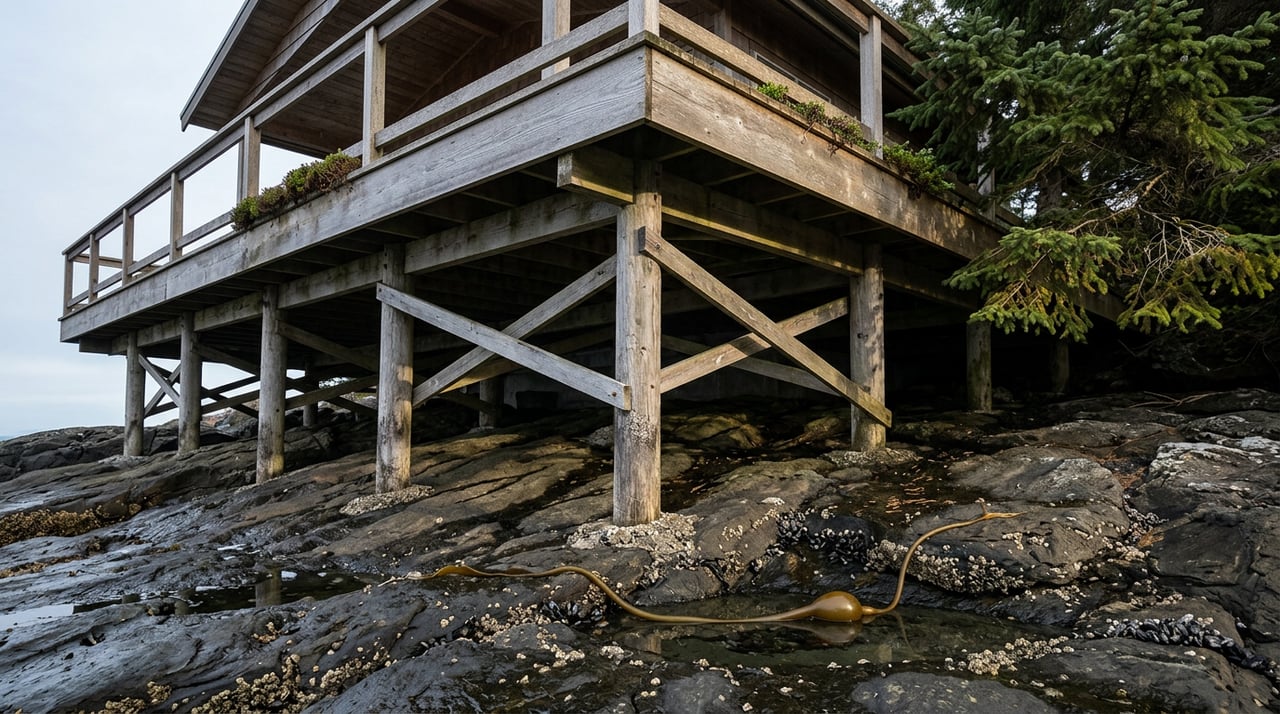
The Spit is exposed to flood, storm surge, erosion, and wave action. Before you buy, review floodplain and coastal-hazard maps for the property and ask about historical storm impacts. Discuss insurance options and premiums for homeowner, flood, wind, and earthquake coverage.
If you are considering shoreline work or maritime improvements, expect local and state permits for docks, floats, and related structures. Verify permitted uses, past approvals, and maintenance responsibilities in writing. Early due diligence helps you avoid delays and cost overruns.
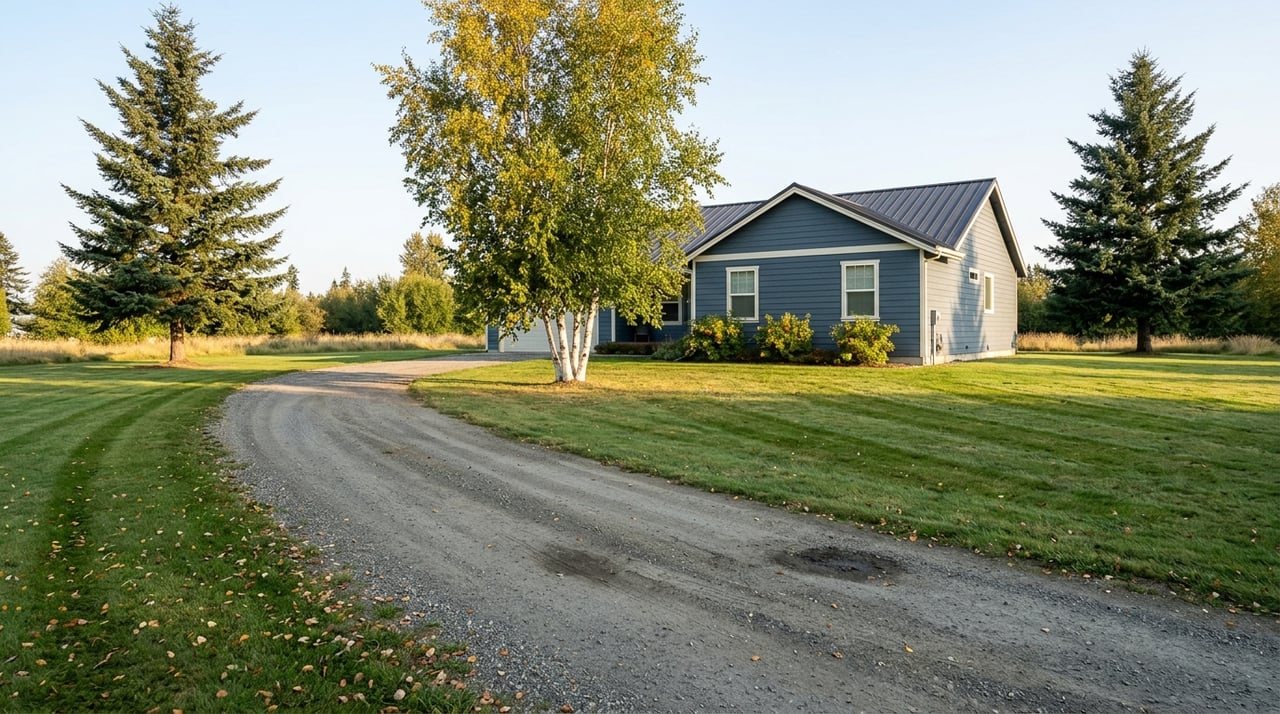
Parcels directly on the Spit are limited and often commercial or public. Most residential homes are in Old Town and other neighborhoods a short distance inland. Waterfront or harbor-front homes usually command a premium, with higher acquisition and maintenance costs.
Zoning and allowable uses influence value and strategy. Confirm rules for commercial versus residential uses and any short-term rental regulations that may affect income plans. Align your goals with local ordinances before you make an offer.
Living close to the Spit brings clear advantages and a few realities to accept.
Use this checklist to streamline your due diligence:
If you thrive on harbor energy, love seafood and marine access, and do not mind seasonal bustle, living near the Homer Spit can be very rewarding. If you prefer quieter streets year-round, consider nearby neighborhoods that keep you close to the water without the busiest summer blocks. Either way, you can tailor your search to match access, convenience, and budget.
You do not have to navigate these details alone. As local advisors with deep Homer roots and proven experience across waterfront, single-family, multi-family, and land, we help you weigh lifestyle fit against practical realities like utilities, zoning, insurance, and seasonal access. Ready to explore options near the harbor and Old Town? Connect with the Buss & Turkington Real Estate Team to start a tailored search.
Stay up to date on the latest real estate trends.



Leading with our core standards and values we approach every decision with honesty and integrity. We take great responsibility in doing the right thing because it is the right thing to do.