
January 8, 2026
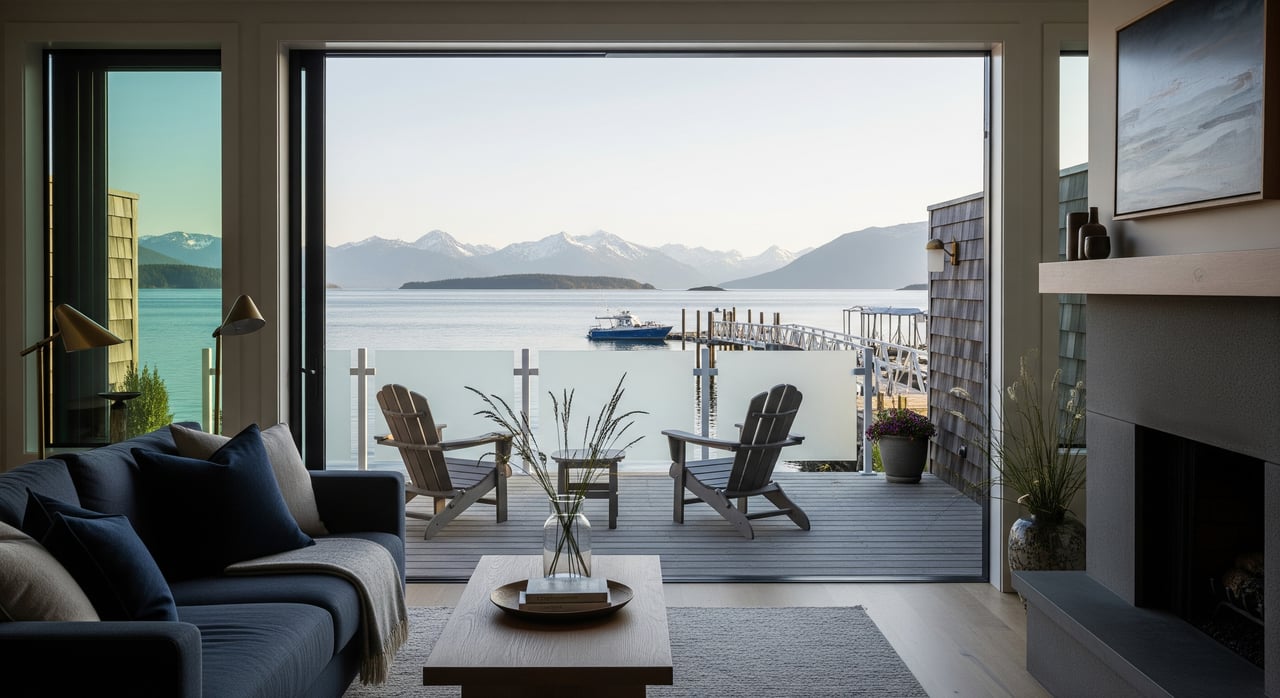
Thinking about turning a Homer getaway into a short-term rental that pays for itself? You are not alone. With world-class fishing, Kachemak Bay views, and a summer tourism surge, Homer draws travelers who book multi-night stays. In this guide, you will learn the essentials to evaluate a short-term rental in Homer, from permits and taxes to seasonality, operations, and due diligence. Let’s dive in.
Short-term rental rules depend on where the property sits. In the Homer area, you need to check three layers: City of Homer, Kenai Peninsula Borough for unincorporated areas, and the State of Alaska for business registration items.
If the address is within city limits, start with the City of Homer municipal code and the planning department. Confirm whether your zoning district allows short-term rentals and whether you need a specific permit or registration. Ask the city clerk for the current application checklist, safety requirements, and processing timelines.
If the property sits outside Homer’s corporate boundary, contact the Kenai Peninsula Borough planning office. Borough rules and maps guide what is allowed in unincorporated areas. Verify permitted uses, any required approvals, and whether borough-level lodging taxes or filings apply.
The State of Alaska may require business registration and can provide guidance on any state filings tied to lodging or business activity. Check with the Department of Commerce, Community, and Economic Development and the Department of Revenue for current requirements.
Local rules can change, so always verify the latest standards directly with city or borough offices. Key items to confirm include:
Short-term rental income often triggers local lodging taxes and other filings. Alaska has no statewide sales tax, but local governments can impose lodging or sales taxes.
Confirm whether your location imposes a lodging or bed tax and how it is calculated. Ask if cleaning fees are taxable and whether platforms collect any taxes on your behalf. Some places still require owners to register and file returns even if a platform collects tax.
Find out how to register, how often to file, and which forms and reports are required. Understand late fees, penalties, and audit procedures. Keep reservation records, receipts, and tax filings for the required retention period.
Contact the City of Homer finance department for city rules and forms, and the Kenai Peninsula Borough tax office for borough-level questions. For state-level registration guidance, consult the Alaska Department of Revenue.
Homer’s visitor patterns are highly seasonal. This can be a strength if you plan your pricing, cash flow, and operations with the calendar.
Recreational fishing is a major driver, including halibut, rockfish, and king salmon charters. Visitors also come for bear viewing, birding, hiking, kayaking, and cultural stops like the Pratt Museum. Kachemak Bay State Park helps anchor demand for outdoor stays.
Plan for uneven cash flow. Many owners earn most of their revenue in summer and cover fixed costs through the winter.
Focus on four metrics: average daily rate, occupancy rate, RevPAR, and seasonality. A simple approach is to model annual gross as ADR multiplied by occupancy and 365 rentable nights. Then subtract operating expenses, including management fees, utilities, maintenance, insurance, taxes, and platform costs. Build conservative, expected, and optimistic scenarios that reflect summer concentration and winter slowdowns.
Inventory includes cabins, waterfront or near-water homes, condos, and traditional lodges or inns. Review active listings on major platforms to understand common amenities, guest capacity, and the quality level that drives top reviews. Local property managers and brokers can share historic occupancy patterns and booking lead times.
Short-term rentals in Homer require planning for coastal, seasonal conditions. Strong operations protect your reviews and your bottom line.
Standard homeowner policies may not cover transient guests. Ask your insurer about host endorsements, dedicated short-term rental policies, or landlord coverage that explicitly includes short stays. Consider higher liability limits or an umbrella policy. Some permits require proof of adequate insurance.
The best time to solve problems is before you buy. Use these checklists to validate legal, financial, and operational feasibility.
Buying a short-term rental in Homer is part lifestyle, part business. You deserve accurate local insight and a team that understands both sides. As local, owner-led advisors, we help you identify properties that align with your goals, assess readiness for rental use, and navigate the steps above with clear communication. For out-of-state buyers, we coordinate showings, share neighborhood context across Homer and the lower Kenai Peninsula, and connect you with trusted local resources.
If you are weighing two cabins in different zoning districts, need help reading an HOA’s rental rules, or want to sanity-check a revenue model against local seasonality, we are here to talk it through. When you are ready to explore options, reach out to the Buss & Turkington Real Estate Team and schedule a Free Consultation.
Stay up to date on the latest real estate trends.


Leading with our core standards and values we approach every decision with honesty and integrity. We take great responsibility in doing the right thing because it is the right thing to do.