Leave a Message

By providing your contact information to Buss & Turkington Real Estate Team, your personal information will be processed in accordance with Buss & Turkington Real Estate Team's Privacy Policy. By checking the box(es) below, you consent to receive communications regarding your real estate inquiries and related marketing and promotional updates in the manner selected by you. For SMS text messages, message frequency varies. Message and data rates may apply. You may opt out of receiving further communications from Buss & Turkington Real Estate Team at any time. To opt out of receiving SMS text messages, reply STOP to unsubscribe.

Thank you for your message. We will be in touch with you shortly.

Explore Our Properties

Relocating To Homer From The Lower 48

January 15, 2026

Thinking about trading city streets for Kachemak Bay views? If you’re relocating to Homer from the Lower 48, you’re balancing big dreams with real logistics. You want a clear plan, honest local advice, and a smooth path from virtual touring to move-in day. In this guide, you’ll learn how Homer’s market works, how to shop and close from out of state, what to expect in winter, and where to find temporary housing while you get settled. Let’s dive in.

Why Homer feels different

Homer is a small coastal city with a year-round population in the low thousands and a big seasonal surge. Inventory is limited, comparable sales are fewer, and unique features like views, heating systems, and access can drive pricing. That smaller data set can mean more pricing volatility and longer appraisal timelines.

Property types to expect

  • In-town single-family homes on municipal water and sewer
  • Rural homes and cabins with private wells and septic systems
  • View and shoreline lots, plus seasonal or vacation rental properties
  • Mixed heating systems, including oil, propane, wood, and electric, which affect operating costs

Seasonality and access

  • Summer brings more services and contractor availability, along with higher demand for short-term rentals.
  • The Sterling Highway connects Homer to Anchorage, often a 3.5 to 4.5 hour drive depending on weather and road conditions.
  • Weather can delay travel, inspections, and deliveries, especially in winter.

Plan your move from the Lower 48

Time zones and communication

Alaska Time is one hour behind Pacific Time. Build in buffers for scheduling, confirm appointments in writing, and expect slower responses during peak summer or during winter storms.

Travel and shipping options

Many buyers fly into Anchorage, then drive to Homer or take a regional flight. You can ship household goods by container or freight to Southcentral Alaska, then truck to Homer. If you drive through Canada, check customs, insurance, and winter prep for your vehicle, including tires and battery.

Utilities, internet, and remote work

In-town homes commonly have municipal water and sewer. Rural properties often rely on wells, septic, and sometimes off-grid systems. Internet options range from local ISPs and DSL or fixed wireless in some areas to satellite options like Starlink. Confirm actual speeds at the specific property, and review recent utility bills to understand heating fuel usage and costs.

Quick readiness checklist

  • Confirm tested internet speeds at the address
  • Ask for recent heating and electric bills
  • Verify cell coverage for your carrier
  • Ask about backup power options if you work from home

Tour homes virtually with confidence

What to ask for in a virtual tour

Request a live video walkthrough that lets you direct the camera. Ask to see mechanical areas such as the water heater, electrical panel, pump houses, and crawlspaces if safe. For exterior elements, request multiple roof angles, driveway and street approach videos, and drone footage for lot and view context when available.

Paperwork to review early

Ask for seller disclosures, utility bills, any prior inspection reports, maintenance records, well and septic logs, a survey or plot plan, covenants or HOA documents, and property tax history.

On-site details that matter

Clarify who handles snow plowing for the road and driveway. Evaluate parking and garage or shop space. Check cellular reception inside the home. Note proximity to groceries, healthcare, and other services. If schools are relevant to you, review attendance zones from the local district to understand boundaries.

Pro tip: If you tour in summer, ask for winter photos or videos, and if you tour in winter, ask for summer imagery. You will better understand access, drainage, drainfields, and vegetation.

Structure a strong remote offer

Timelines and contingencies

Build extended windows for inspections and due diligence so you can schedule contractors and review results from afar. Consider a flexible closing date or an agreed closing window to accommodate weather delays. Confirm earnest money procedures, wire verification, and the escrow holder’s identity and safeguards.

Inspection and repair language

Winter can block full evaluation of roofs, septic systems, foundations, and drainage. Include language that allows re-inspection when conditions permit, or negotiate seller credits or an escrow holdback for items that cannot be verified until thaw.

Sample seasonal contingency language your broker can adapt:

“If snow, ice, or seasonal conditions prevent full inspection of the roof, septic, well, foundation, or site drainage at the time of inspection, buyer may, at buyer’s expense, obtain a re-inspection within a reasonable period after conditions allow. If material defects are identified, parties will in good faith negotiate repairs, credits, or an escrow holdback not to exceed an agreed amount.”

Appraisal and financing in a small market

With fewer comparable sales, appraisers may need to make larger adjustments and may travel from outside the area. Build extra time into your financing and appraisal contingencies. If you are concerned about a low appraisal, consider negotiating an appraisal gap clause or be prepared with additional funds.

Remote notarization and closings

Many steps use e-signatures. Some title companies offer Remote Online Notarization, while others require in-person signing. Coordinate early with the title and escrow team to confirm ID requirements, wire instructions, and whether remote notarization is available for your transaction.

Winter inspections and appraisals

What may be limited in winter

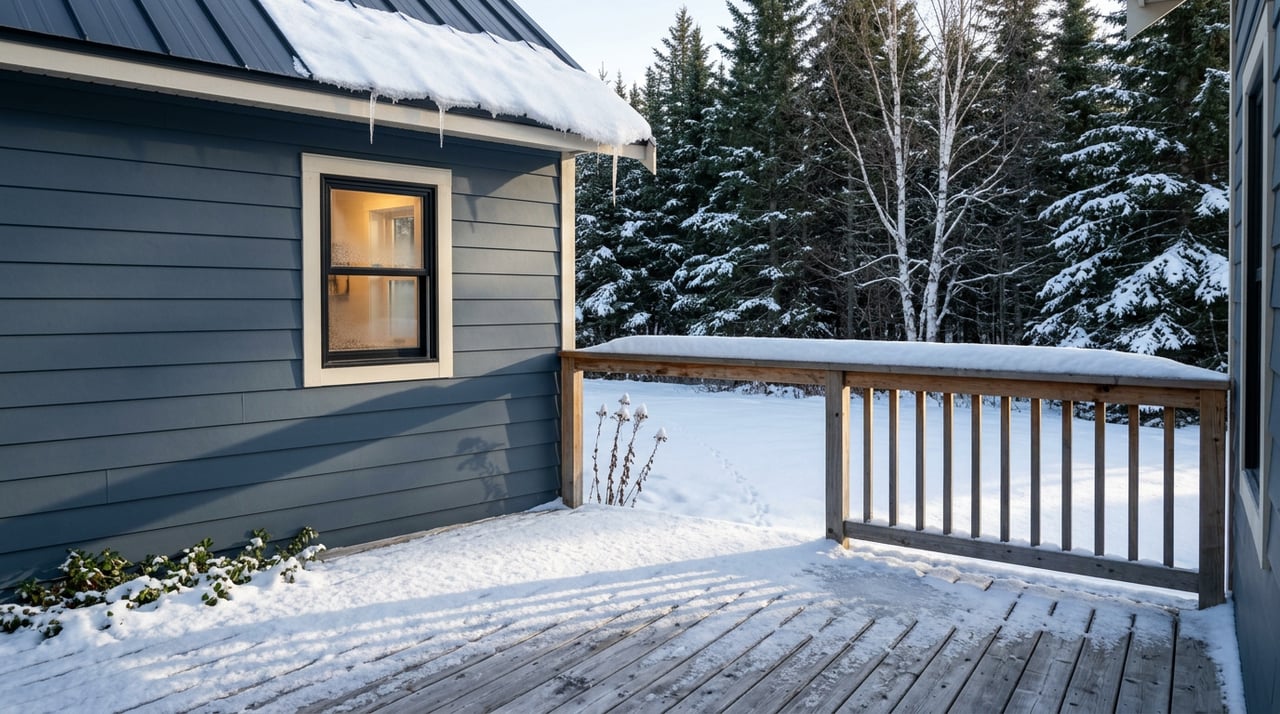
  • Roofs covered by snow or ice may not be fully inspected
  • Septic systems and drainfields can be hard to evaluate under snow
  • Well yield tests may be affected by cold or winterized systems
  • Grading and drainage are difficult to judge on frozen ground
  • Landscaping and vegetation are dormant, which can change your sense of buffers and views

Contract protections to consider

  • Add a seasonal re-inspection addendum for roof, septic, well, and drainage
  • Use a seller credit or escrow holdback for items that cannot be verified until thaw
  • Allow flexible closing tied to access for needed inspections

Temporary housing while you land

Short-term options

  • Vacation rentals, more plentiful in summer but at higher nightly rates
  • Extended-stay hotels and motels for a 2 to 6 week transition
  • Month-to-month apartments and homes via local management companies or classifieds
  • RV and campground stays if you are arriving with a rig, check winter availability and rules
  • Short-term leases with local owners between seasons, often found through local contacts

Booking smart

Book early for summer arrivals. For remote work, confirm power reliability and tested internet speeds. Check proximity to groceries and healthcare, such as South Peninsula Hospital.

Connect locally

Tap community resources for leads and local insight, including the Homer Chamber of Commerce, neighborhood pages, and local groups.

A practical relocation timeline

  • Pre-offer, 2 to 8 weeks: Meet your local agent, research neighborhoods and utilities, verify internet options, get lender pre-approval, and start virtual tours.
  • Offer to inspection, 1 to 2 weeks: Negotiate offer terms with extended and seasonal contingencies, deposit earnest money, schedule inspections immediately after acceptance.
  • Inspection to appraisal and underwriting, 2 to 6 weeks: Allow for travel time and limited contractor capacity, keep communication tight with your lender and agent.
  • Closing and move, 2 to 6 weeks after conditions: Plan for remote closing where available, build buffers for winter travel and freight delivery.
  • Post-thaw follow-up, if winter limits full evaluation: Schedule re-inspections, finalize any escrow-backed repairs, and budget time and funds accordingly.

Local contacts to start with

  • City of Homer, for municipal services and permits
  • Kenai Peninsula Borough, for property taxes and assessments
  • Homer Chamber of Commerce & Visitor Center, for business listings and seasonal context
  • Kenai Peninsula Borough School District, for attendance zones and enrollment
  • South Peninsula Hospital, for local healthcare services
  • Alaska Department of Transportation & Public Facilities, for road conditions and seasonal notices
  • Local title and escrow companies, lenders experienced with Alaska closings
  • Local inspectors, septic and well contractors, and heating specialists

Work with a trusted local team

Relocating to Homer is exciting, and the details matter. You deserve a local guide who understands seasonal timing, rural systems, appraisal realities, and the pace of a small market. If you want a smooth, transparent process and a team that handles remote showings, strategic offers, and on-the-ground coordination, the Buss & Turkington Real Estate Team is here to help.

Ready to start your Homer plan? Schedule a Free Consultation with the Buss & Turkington Real Estate Team.

FAQs

What should Lower 48 buyers know about Homer’s market size?

  • Homer has fewer listings and closed sales than metro areas, which can mean more pricing variability and longer appraisal timelines.

How do virtual showings work for Homer properties?

  • Use live video walkthroughs and request detailed visuals of mechanical systems, roofs, driveways, and approach roads, plus seasonal photo sets when possible.

What inspection issues are most affected by winter in Homer?

  • Roofs, septic systems, wells, and site drainage can be hard to evaluate under snow and ice, so include re-inspection language or escrow holdbacks.

How can I make a competitive offer from out of state?

  • Extend contingencies, build in flexible closing dates, confirm wiring procedures, and plan for appraisal complexity in a small market.

Is internet reliable enough for remote work in Homer?

  • In-town areas often have broadband options, rural parcels vary, so verify actual speeds at the address and consider satellite or backup solutions.

What are my short-term housing options when I arrive?

  • Vacation rentals, extended-stay hotels, month-to-month leases, and RV parks are common, but book early for summer and confirm utilities and internet.

Let's Work Together

Leading with our core standards and values we approach every decision with honesty and integrity. We take great responsibility in doing the right thing because it is the right thing to do.