
May 7, 2026
Dreaming of more space, a wider view, and a little breathing room in Homer? You are not alone. Many buyers looking at Homer homes want the scenery and privacy that make this part of the Kenai Peninsula so special, but they also need to know what that space really means day to day. This guide will help you understand where to look, what to verify, and how to spot a property that fits your plans. Let’s dive in.
Homer’s housing pattern is shaped by geography, road access, and its history of development. The city’s planning documents describe a more compact mixed-use core near downtown, while larger-lot and lower-density residential areas are generally found farther out.
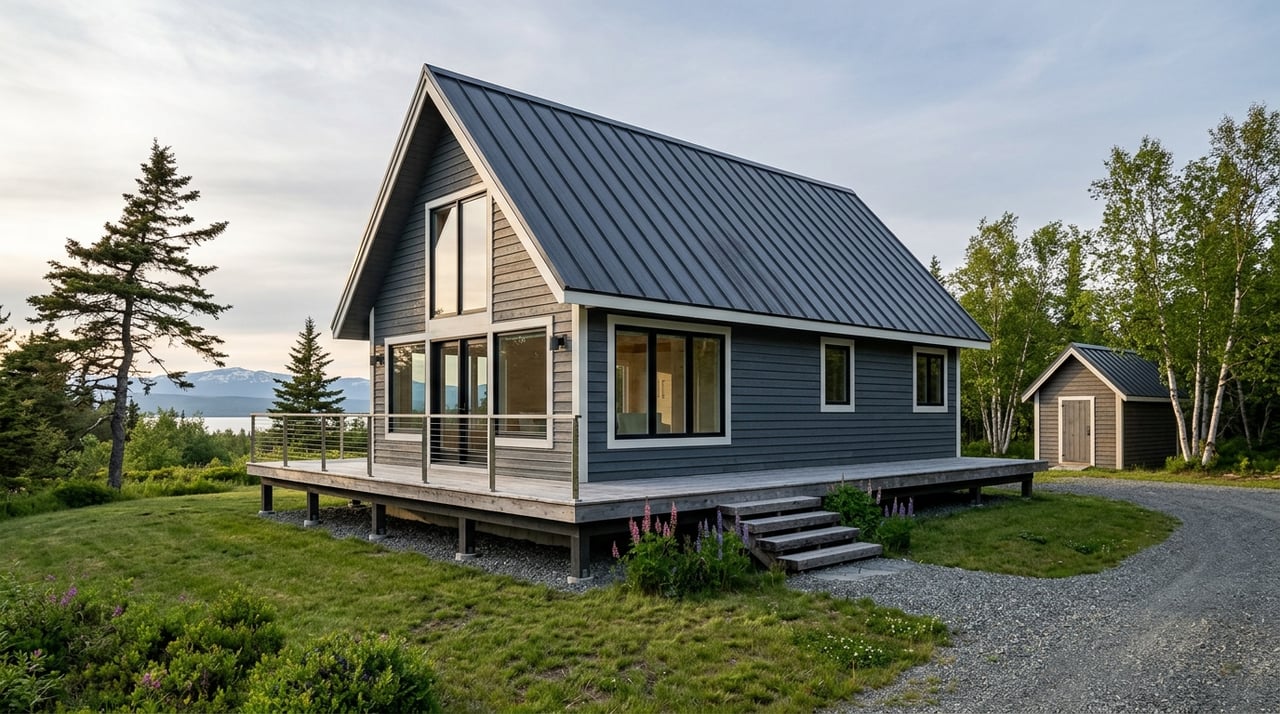
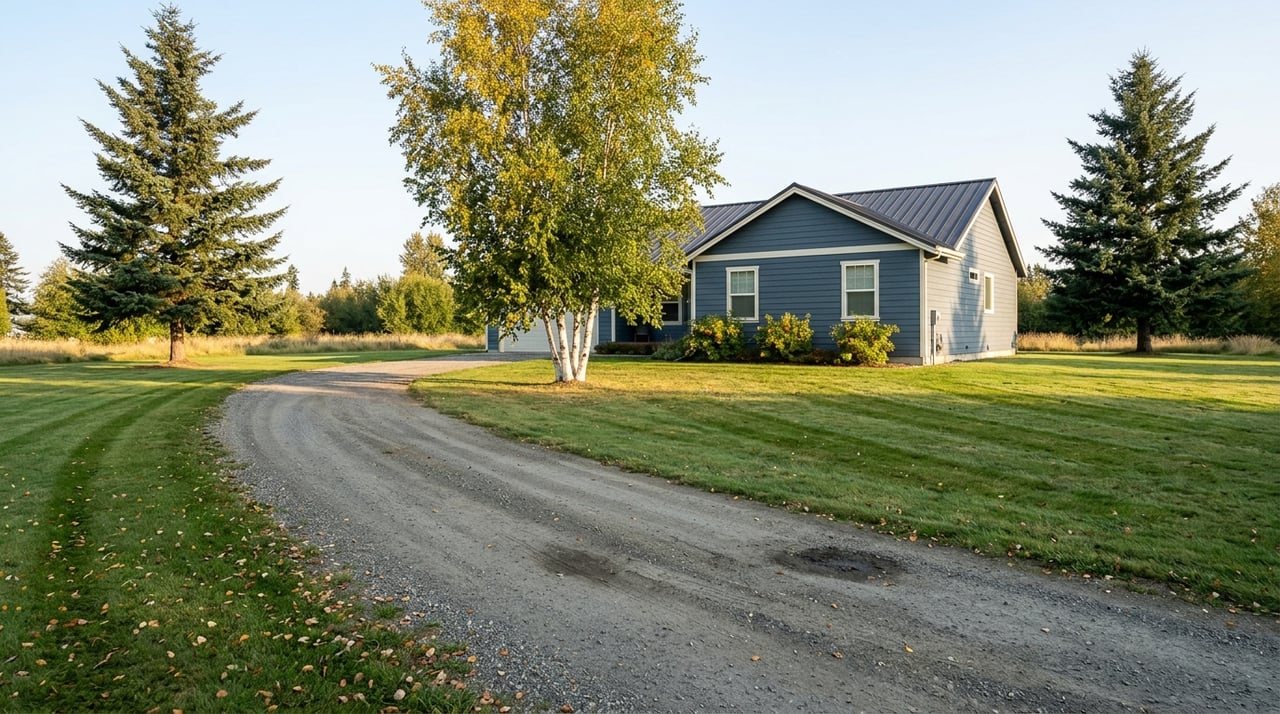
That means “more space” can take a few different forms depending on where you look. In-town properties may offer easier access to public services and a more connected street pattern, while outlying areas can offer larger parcels, more separation from neighbors, and broad views of Kachemak Bay, ridgelines, or open land.
The larger Homer market also reaches beyond the city core through roads like the Sterling Highway and East End Road. Nearby communities and areas such as Diamond Ridge, Fritz Creek, Anchor Point, Happy Valley, Kachemak City, and others are part of the broader road-access pattern that many buyers consider when they want land, privacy, or view potential.
If you are comparing homes with elbow room, one of the first questions is whether the property is in a more urban-service setting or in a rural residential area. That difference affects lot size, utilities, access, and what daily ownership may feel like.
Homer zoning materials show a clear contrast. Urban Residential lots require 7,500 square feet for single-family or duplex dwellings, while Rural Residential lots require 10,000 square feet per dwelling unit.
That may not sound dramatic at first, but in practice it reflects a different style of living. The city’s comprehensive plan describes the urban core as centrally located with public water and sewer, moderate lot sizes, and a stronger urban-service context. Rural residential areas are generally lower density, farther out, and often not expected to receive water and sewer service in the near future.
For some buyers, Rural Residential zoning is part of the appeal. The city’s zoning explainer notes that RR zoning allows agricultural activities, private stables, seasonal roadside stands, and mobile homes.
If your goals include gardening, hobby agriculture, extra outdoor storage, or simply having more room around you, that zoning context can matter as much as square footage. The key is to match the property’s zoning with the way you plan to use it.
A sweeping view can be one of the biggest reasons buyers fall in love with a Homer property. The city’s planning materials even treat views and view sheds as part of Homer’s green-infrastructure framework, which reflects how important scenery is to the area’s identity.
But a great view does not always mean a simple building site. Ridge and bluff parcels can offer privacy and dramatic outlooks, yet the practical use of the land may be more limited than the total parcel size suggests.
Homer’s slope ordinance sets limits on development in steeper areas. On lots with average slopes of 15% to 30%, the area used for development may not exceed 25% of the lot. On lots with slopes greater than 30%, the development area may not exceed 10% unless a city-engineer-approved site plan allows more.
The code also includes bluff and ravine setback rules and calls for preserving natural drainage and contours where feasible. In plain terms, that means a lot may look large on paper, but the usable building area, driveway path, drainage planning, and expansion options may be narrower than expected.
Before you get attached to a ridge or bluff property, it helps to ask practical questions such as:
These are the kinds of details that can shape how well a property supports your long-term plans.
When buyers picture a home with space, they often focus on the land first. In Homer, utility service deserves just as much attention.
The city’s comprehensive plan explains that the urban core is generally served by public water and sewer, while many lower-density rural areas have less service. It also notes that some rural residential areas have gained water and sewer service, which can change development potential in certain places.
Because of that, utility status should be verified property by property. Homer Public Works provides road, sewer, and water mapping, and the city notes that utility extension is planned into areas identified in the land use plan.
Two properties with similar acreage can function very differently if one is connected to municipal water and sewer and the other is not. If you are buying for full-time living, seasonal use, future development, or investment purposes, confirming the utility setup early can save time and prevent surprises.
This is especially important if you are comparing in-town homes to road-access acreage outside the denser core. The location may be scenic and spacious, but you still want to know exactly how the property is serviced.
In Homer, road status is not a small detail. It affects convenience, winter maintenance, and how a property feels in real life.
Homer’s Public Works Department says it maintains 29 miles of rural roads and 21 miles of urban roads. Urban roads receive the full level of service and generally get snow plowing within 24 hours at 3-inch accumulations, while rural roads receive a reduced level of service and normally get snow plowing and sanding within 24 hours.
At the borough level, the Kenai Peninsula Borough Road Service Area maintains more than 645 miles of roads, with 95% gravel and 5% paved. Borough maintenance includes snow plowing, sanding, grading, minor repairs, and ditch clearing, but only certain roads are certified for the maintenance program unless an exception is approved.
NOAA climate normals for the Homer 8 NW station at 1,080 feet show average annual snowfall of 100.6 inches and average annual precipitation of 29.73 inches. That helps explain why buyers should take road and driveway questions seriously.
A beautiful home with extra land can feel very different depending on whether access is city-maintained, borough-maintained, or private. If you are relocating from out of state, this is one of the most important practical details to understand early.
As you narrow your search, ask:
Those answers can help you compare homes more accurately than photos alone.
The best Homer home with space and views is not always the biggest parcel or the highest perch. It is the property that matches how you want to live.
If you want convenience, public utilities, and easier access to daily services, an in-town home with a moderate lot may be the right fit. If you want more privacy, room for hobbies, or a wider visual buffer, a rural residential property outside the core may offer what you are after.
For many buyers, the real decision comes down to balancing scenery with usability. A view is wonderful, but so are practical access, serviceable roads, a workable building envelope, and zoning that supports your plans.
When you tour homes with space, keep a short checklist in mind. It can help you look past first impressions and focus on what will matter after closing.
That kind of side-by-side comparison is especially helpful in Homer, where two scenic properties can have very different ownership realities.
If you are looking for elbow room in Homer, local context matters. A home with views can be a great fit, but the right choice usually comes down to more than the listing photos. When you understand the difference between in-town and rural locations, utility service, road maintenance, and buildable area, you can shop with much more confidence.
Whether you are moving across town or coming from the Lower 48, working with a team that knows Homer’s neighborhoods, access patterns, and property types can make the process smoother. If you want help sorting through acreage, view homes, or in-town options, connect with the Buss & Turkington Real Estate Team for local guidance and attentive support.
Stay up to date on the latest real estate trends.
Leading with our core standards and values we approach every decision with honesty and integrity. We take great responsibility in doing the right thing because it is the right thing to do.