
April 23, 2026
Choosing where to live in Homer is not just about square footage or style. In a place shaped by coastline, hillsides, and a compact town center, your setting can change how you experience daily life. If you are trying to decide between waterfront, view, or in-town living in Homer, this guide will help you compare the tradeoffs so you can focus on the option that fits your goals best. Let’s dive in.
Homer may be a small coastal city, but it includes a wide mix of distinct places. The city’s planning documents identify areas like Downtown, Old Town, Pioneer Avenue, Ocean Drive, the Spit, and scenic bench-area corridors as separate places with different land-use patterns and access considerations, according to the City of Homer community facts page.
That means your location choice affects more than the view from your window. In Homer, setting can shape your drive time, utility setup, hazard planning, maintenance needs, and even the type of property inventory you will see.
Waterfront living in Homer often means being on or very near Kachemak Bay, the harbor, the Homer Spit, or another shoreline-facing parcel. It can offer the kind of Alaska setting many buyers picture first, with immediate access to the water and dramatic coastal scenery.
At the same time, waterfront in Homer is not one simple category. The Homer Spit Comprehensive Plan describes the Spit as a working port, recreation corridor, tourism area, and economic engine, which gives you important context when comparing shoreline properties.
If waterfront is your priority, the biggest draw is the direct shoreline experience. Depending on the property, that can mean bay frontage, harbor access, or an immersive coastal setting that feels closely connected to Homer’s maritime character.
Waterfront inventory also spans a broad range. Current Realtor.com waterfront listings in Homer show options from a 1-bedroom, 558-square-foot cabin listed at $235,000 to a 7-bedroom, 17,000-square-foot estate listed at $6.75 million.
The biggest factor to understand is hazard exposure. The City of Homer notes that parts of the coastline fall within mapped coastal flood hazard areas, construction in those areas requires a Flood Development Permit, and some shoreline along Kachemak Bay includes VE zones that are exposed to wave action, as explained on the city’s flood maps, permits, and flood protection information page.
The city also states that recent tsunami mapping places the maximum inundation height at 50 feet, and people below 50 feet in elevation are in the danger zone. The city’s evacuation routes and safe zones guidance is worth reviewing early if you are considering shoreline property.
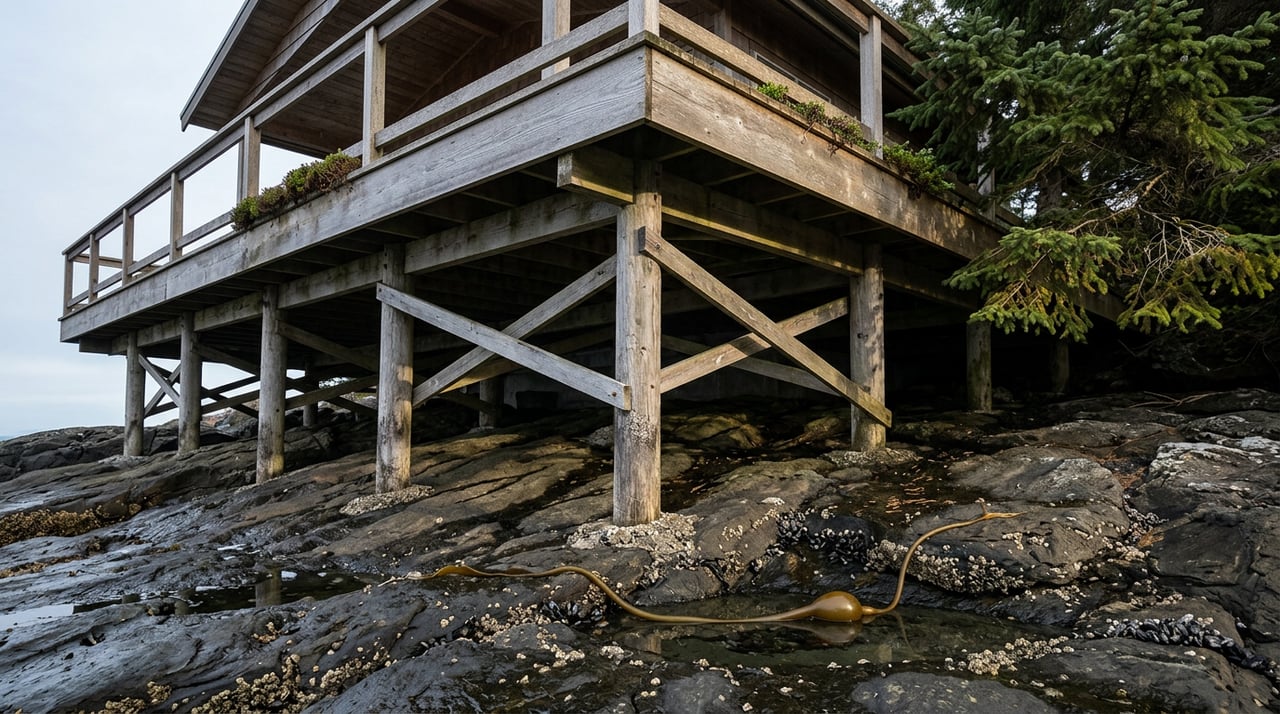
On the Spit and some exposed shoreline parcels, ownership can also mean more maintenance sensitivity. The Spit plan says that the area is subject to constant coastal erosion, and flood standards may require elevated construction or engineered foundations.
Waterfront may be the right fit if you are drawn to the shoreline experience and are comfortable evaluating flood zones, elevation, permitting, and long-term site upkeep. It can also appeal to second-home buyers and lifestyle buyers who want a distinctive Homer setting and understand that direct water access may come with added planning.
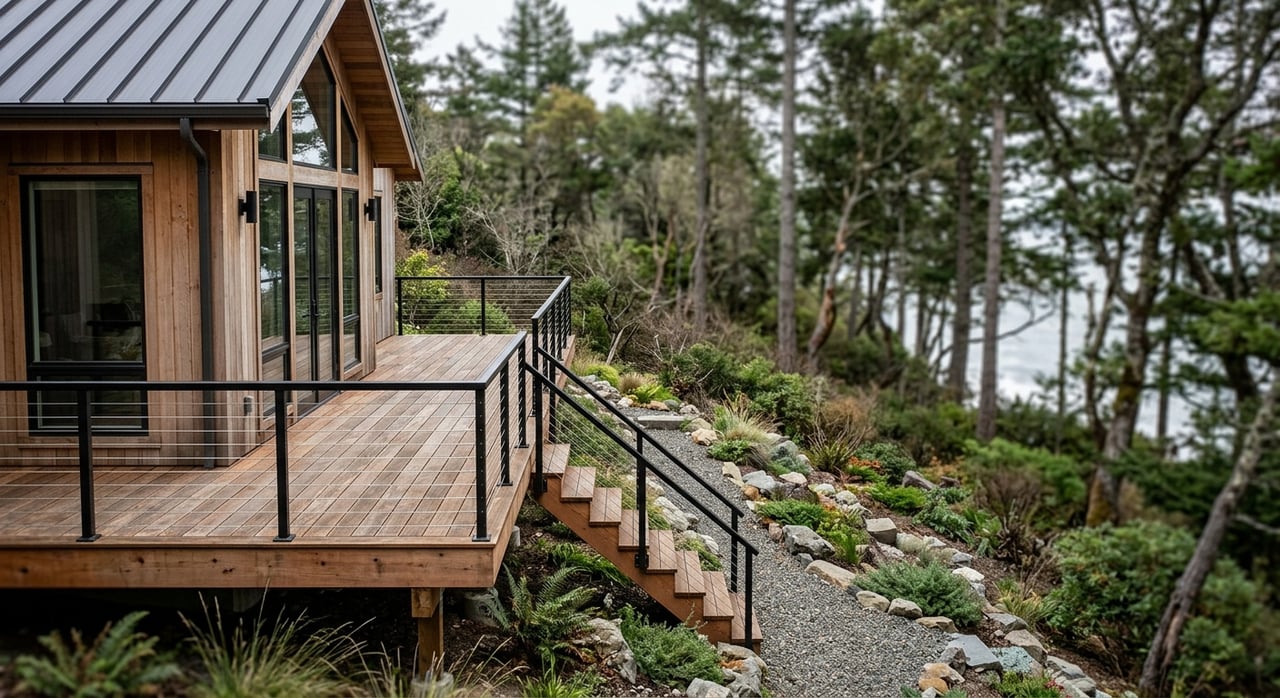
For many buyers, Homer’s elevated view homes offer the best balance between scenery and separation from the shoreline. The city’s comprehensive planning documents note growth extending out East End Road and onto the bench above town, where many view-oriented properties tend to sit.
Scenic routes and elevated corridors such as Skyline Drive, Ocean Drive, East Hill Road, West Hill Road, and Diamond Ridge Road are highlighted in city planning materials, including the 2018 Homer Comprehensive Plan.
The main appeal is straightforward. You may gain wide views of Kachemak Bay, mountains, or open landscape without needing direct shoreline frontage.
This category is also broad in price and style. Current ocean-view listings in Homer show examples ranging from a $325,000 cabin on 27.25 acres with mountain and water views to a $1.1 million 5-bedroom home about a mile from downtown with bay views.
With a view property, you are often paying for scenery, privacy, or land rather than direct water access. For some buyers, that is a great trade. For others, it may mean a longer drive, a more rural feel, or less walkability than an in-town location.
It is also important not to assume that elevation answers every hazard question. The city advises buyers to check each parcel against flood and tsunami maps because risk depends on the exact location and elevation, as noted in Homer’s evacuation routes and safe zones information.
A view home may be a strong match if you want scenery and privacy but do not need to be right on the shoreline. This option can work especially well if you are comfortable trading some convenience for a more tucked-away setting and broader outlook.
If your priority is everyday convenience, in-town living often stands out. Homer’s planning documents describe Downtown, Old Town, Pioneer Avenue, and the Central Business District as the city’s pedestrian-oriented core, with a focus on a more compact and walkable community pattern.
According to the 2018 Homer Comprehensive Plan, the city supports a compact, walkable community core. The city’s wayfinding and community planning materials also point to ongoing interest in sidewalks, streetscapes, and stronger connections in these central areas.
In-town homes are often the easiest to live with year-round because they are closer to day-to-day destinations. The City of Homer facts page lists key community institutions such as public schools, South Peninsula Hospital, and the library among Homer’s core services.
Utility convenience is another major benefit. The city operates water and sewer systems with about 1,500 water and sewer connections, while some households not connected to city water rely on commercial water haulers, according to the city’s water and sewer general information page.
The main tradeoff is usually lifestyle rather than function. In-town properties may offer less land, less privacy, or less dramatic scenery than view or waterfront options.
That said, in-town does not mean ignoring hazard planning. Homer’s tsunami guidance notes that Pioneer Avenue is well above the tsunami inundation zone, while lower-lying areas south of Beluga Slough need to evacuate inland, based on the city’s Know Homer’s evacuation routes and safe zones page.
In-town living is often the best fit if you want shorter trips to services, simpler utility logistics, and a location that supports everyday routines. For many full-time residents, that practical ease is a major advantage.
Homer’s housing market gives you room to compare rather than rush. Redfin’s Homer market data reports a median sale price of $635,000 last month, with homes selling in about 104 days and averaging about 4% below list price. Realtor.com’s market snapshot for Homer reports 176 active listings, a median listing price of $609,500, and a median of 173 days on market.
The City of Homer reports that the 2024 average sale price of homes listed on the MLS was $501,181 on its community facts page. Since these sources measure the market differently, they should not be treated as identical figures, but together they show that Homer is not a one-price market.
What matters most for buyers is that setting often influences price as much as square footage does. Waterfront and ocean-view inventory can range from entry-level cabins or land to high-end homes, while in-town properties may track closer to broader market ranges depending on condition, lot size, and location.
Before you focus only on photos or views, it helps to ask a few practical questions:
These questions can quickly narrow your search and help you compare homes more realistically.
There is no single best way to live in Homer. Waterfront homes offer the strongest shoreline connection but often come with the most environmental sensitivity. View properties can give you privacy and scenery, but you may trade away convenience and walkability. In-town homes usually make everyday life simpler, especially if being close to services matters most.
If you want help sorting through these choices, the local details matter. The right guidance can save you time by helping you compare location, utility setup, hazard exposure, and price in a way that fits how you actually want to live. When you are ready to talk through your options in Homer, connect with the Buss & Turkington Real Estate Team.
Stay up to date on the latest real estate trends.
Leading with our core standards and values we approach every decision with honesty and integrity. We take great responsibility in doing the right thing because it is the right thing to do.