
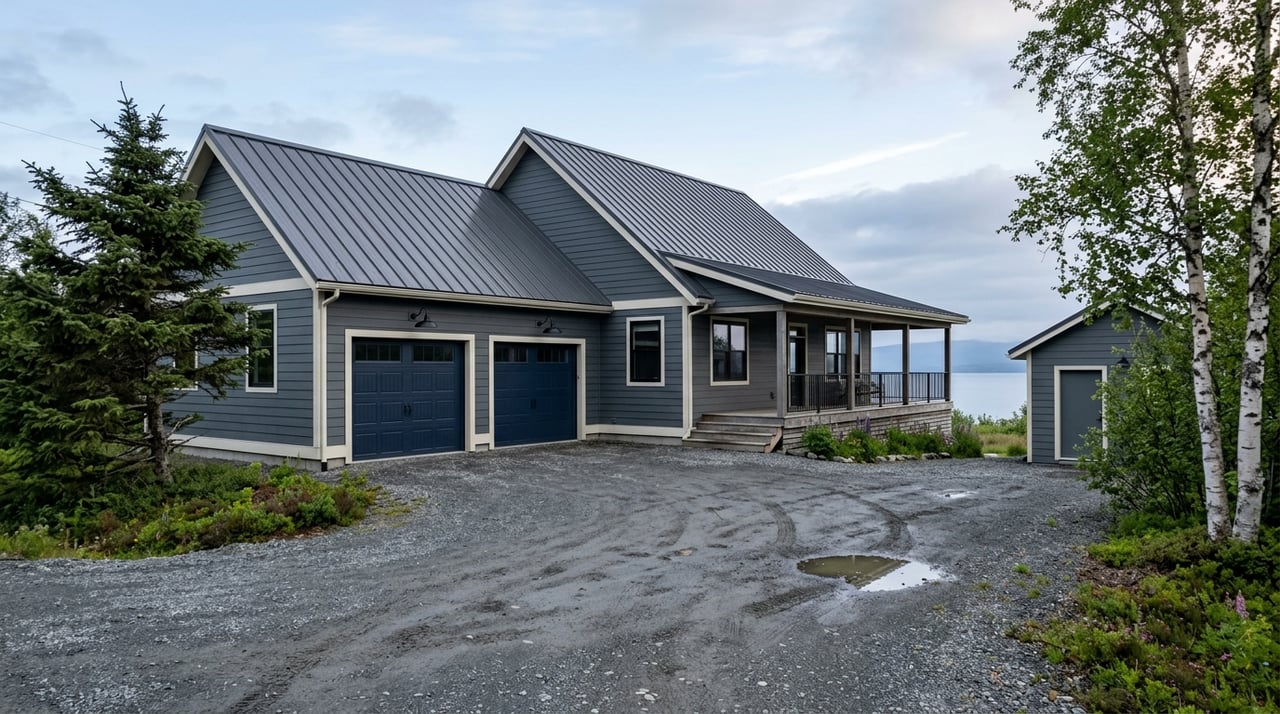
May 14, 2026
Wondering why one Homer view home sparks instant interest while another sits longer than expected? In Homer, buyers rarely value a view home by square footage alone. They look closely at the quality of the view, how usable the site is, and whether the property supports the way they want to live. If you are thinking about selling, understanding those priorities can help you price and present your home more effectively. Let’s dive in.
Homer is a feature-sensitive market, which means specific property traits can change value in a big way. Zillow’s Home Value Index placed the average Homer home at $415,050 as of March 31, 2026, while Realtor.com reported a median listing price of $609.5K with 177 homes for sale. Those numbers measure different things, but together they show how wide the local price range can be.
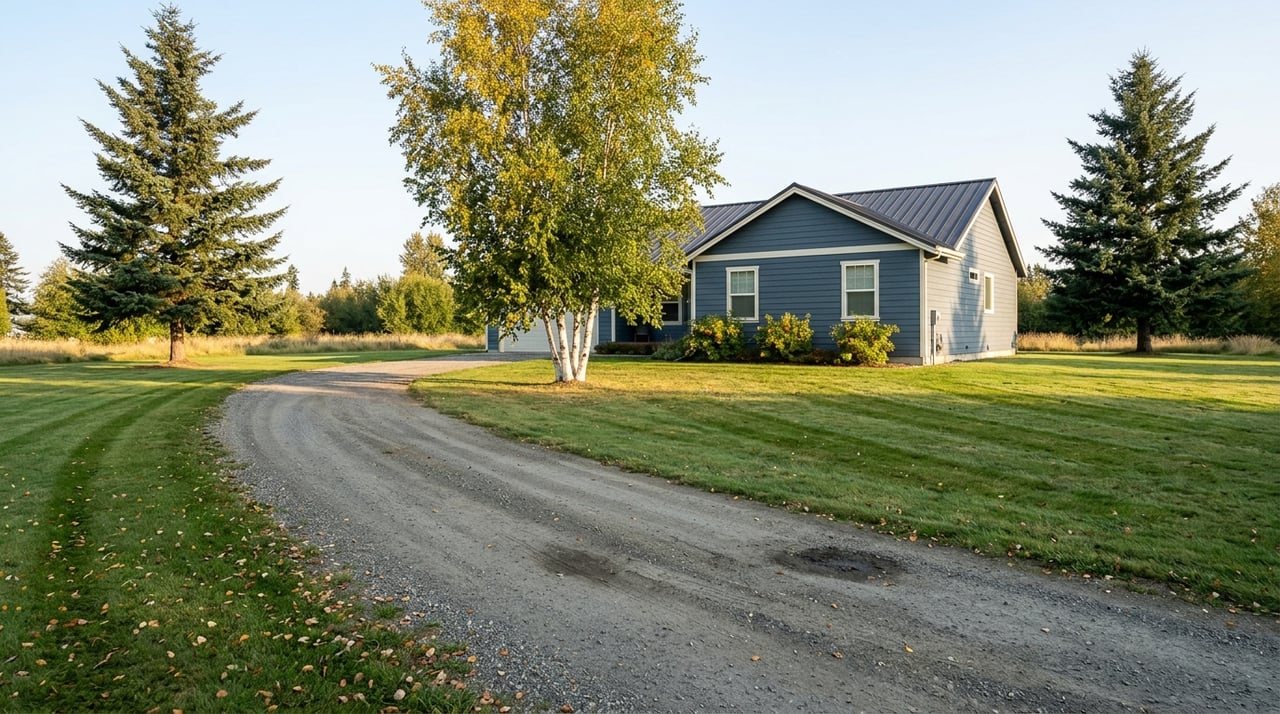
That gap matters if you are selling a view home. In Homer, a broad bay panorama, direct waterfront access, a large heated shop, or functional RV parking can carry more weight than a simple price-per-square-foot comparison. Buyers often see these features as part of the property’s real usefulness, not just nice extras.
A view adds value, but not all views are valued the same way. Research cited by the Appraisal Institute found that water-view premiums varied widely, ranging from 8% to 31% in one analysis depending on view quality. The same research noted that more visible water area can support higher prices.
For your Homer home, that means buyers are likely to sort views into clear categories. A partial glimpse of water does not feel the same as an open Kachemak Bay panorama. A bluff-top setting with long sightlines may feel more valuable than a view that could be interrupted by vegetation, future building, or site limitations.
When buyers walk through a view property, they usually ask practical questions right away:
If your listing answers those questions clearly, buyers can understand the value faster. That usually leads to stronger interest and better alignment between price and expectations.
One of the biggest pricing mistakes sellers can make is grouping these property types together. Buyers do not see them as interchangeable, and neither should your marketing. Each one offers a different mix of scenery, access, and site considerations.
Zillow’s definition of waterfront is direct access to the water’s edge without leaving the property. That is a helpful distinction in Homer, where many homes may have beautiful water views without direct shoreline access. A bluff-top home may deliver dramatic scenery but come with a very different ownership experience than a true waterfront property.
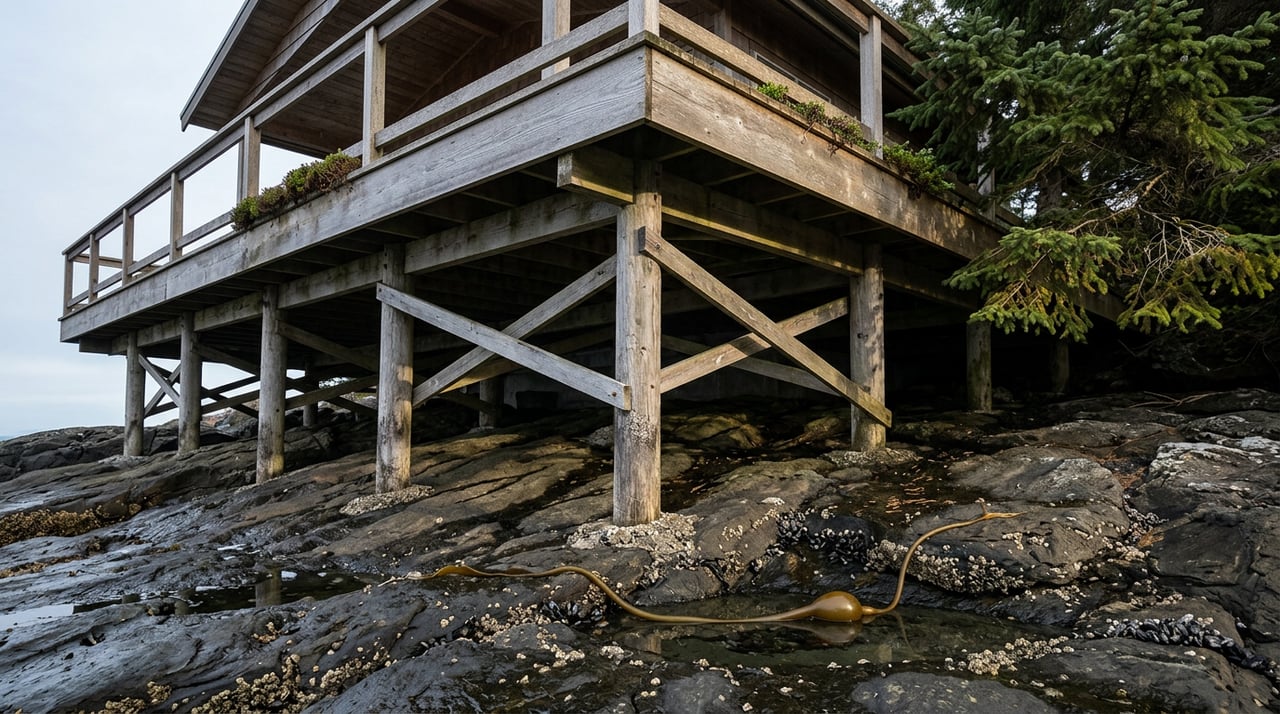
The City of Homer says the coastline includes mapped coastal flood hazard areas, and Kachemak Bay frontage includes Velocity zones that are subject to wave action. The city also states that construction in mapped areas requires a Flood Development Permit. For some buyers, those details shape not just value, but whether the property fits their goals at all.
The city’s hazard guidance also notes annual coastal erosion from winter storms and high storm surge, with concern along the Homer Spit, the bluffs along Sterling Highway, and residential areas on Kachemak Drive and Ocean Drive Loop. On top of that, Homer’s bluff and slope rules require extra review for development near bluffs and coastal bluffs, including setback standards such as no structure closer than 40 feet to the top of a coastal bluff and 15 feet to the toe.
That means buyers may be weighing more than the beauty of the setting. They may also be thinking about buildable area, drainage, maintenance, insurance review, and long-term site flexibility.
In many markets, garage space is helpful. In Homer, it can be a real pricing factor. NAHB’s 2025 study found that garages add around 10% to home value on average, partly because they also serve as storage, parking, and hobby space.
Local search behavior supports that idea. Redfin’s Homer search pages show homes with garages and homes with parking as separate categories, and Realtor.com has a dedicated filter for RV or boat parking in Homer. That tells you these are not background features. Buyers are actively searching for them.
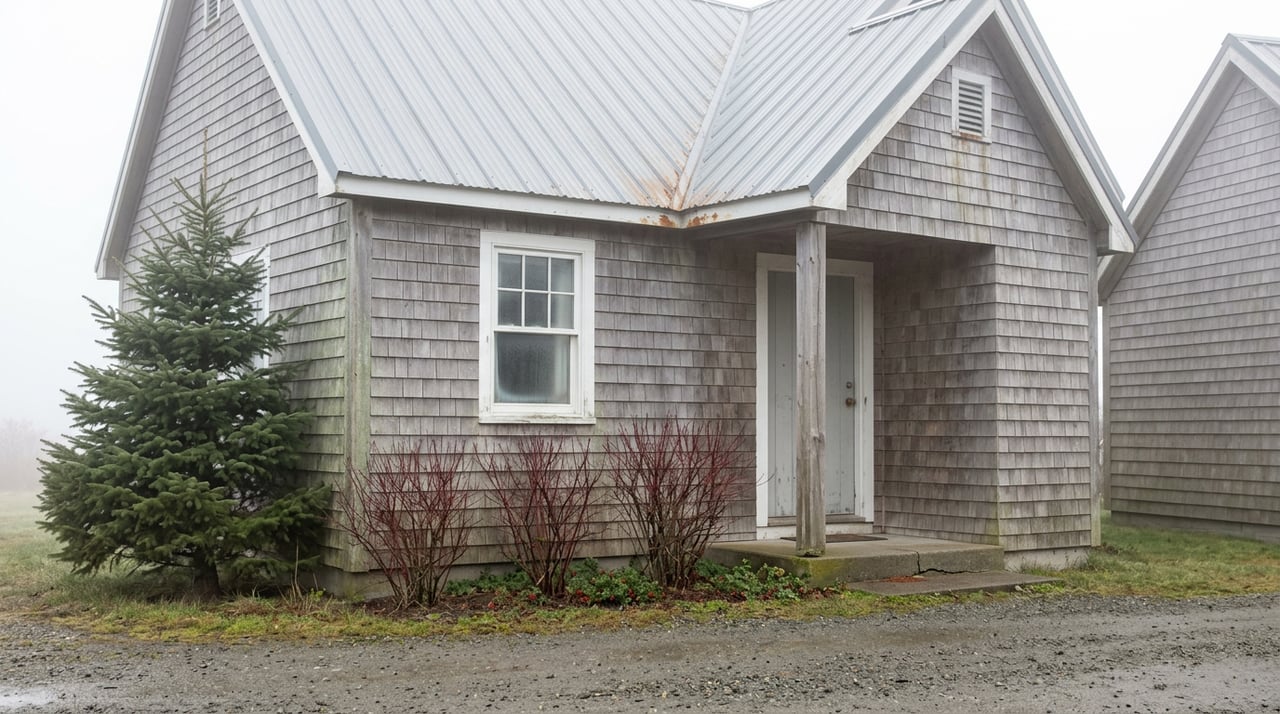
In Homer, buyers often need room for more than a car. They may be looking for space that works for a truck, boat, RV, gear storage, workshop use, or a heated area for projects and maintenance. When a property has a shop, oversized garage, detached carport, or clearly usable parking layout, buyers often see that as part of the property’s lifestyle value.
Current Homer listings reflect this clearly. Listings highlight details like a 1,440-square-foot garage and shop, workshop areas, heated garages, detached carports, and room for boats or RVs. If your home offers this kind of utility, it should be measured, photographed, and described with precision.
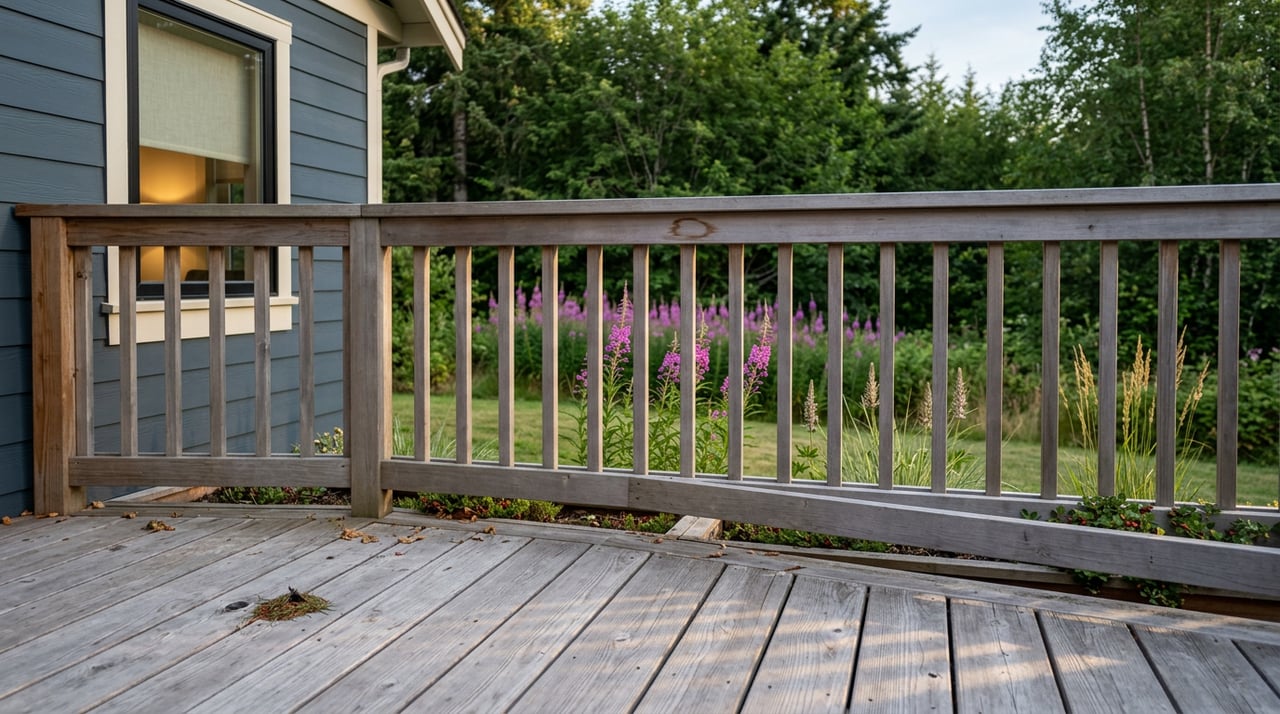
Outdoor living is a real selling point, but buyers care most when the space feels functional. Fannie Mae’s 2024 consumer survey found that 61% of consumers would pay more for outdoor living spaces, and nearly 70% of homeowners said those spaces would make a home more appealing.
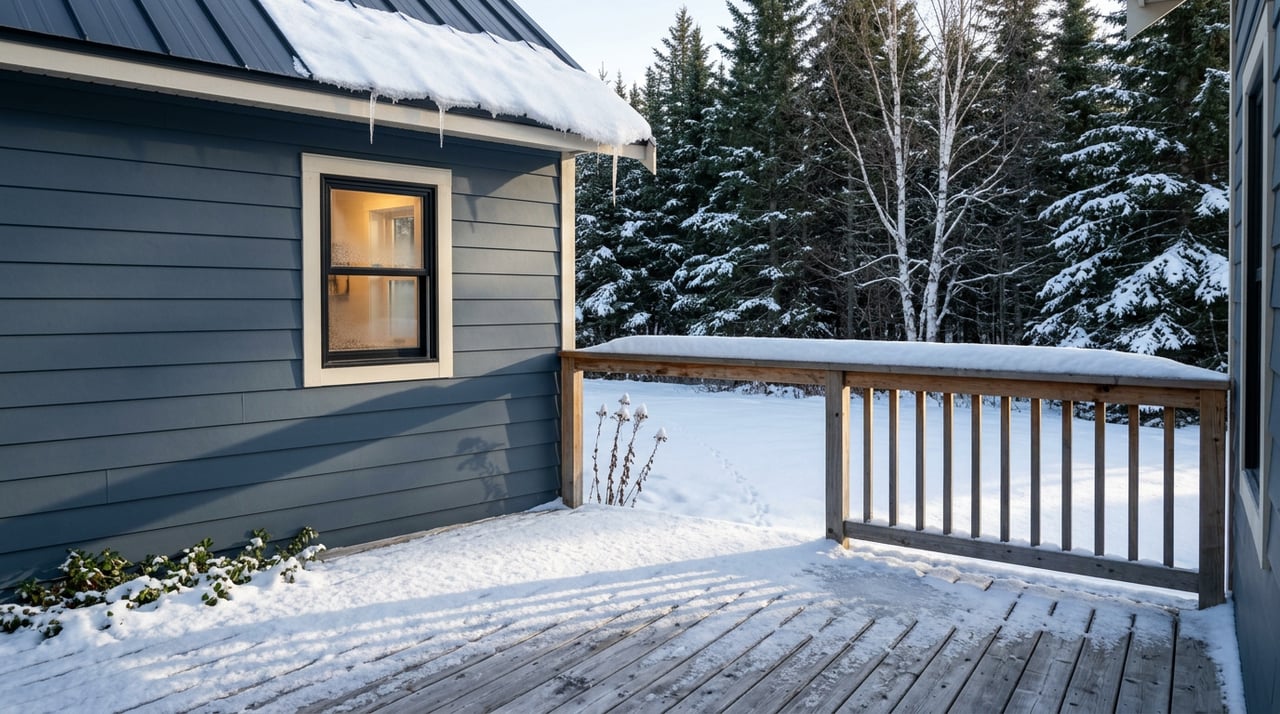
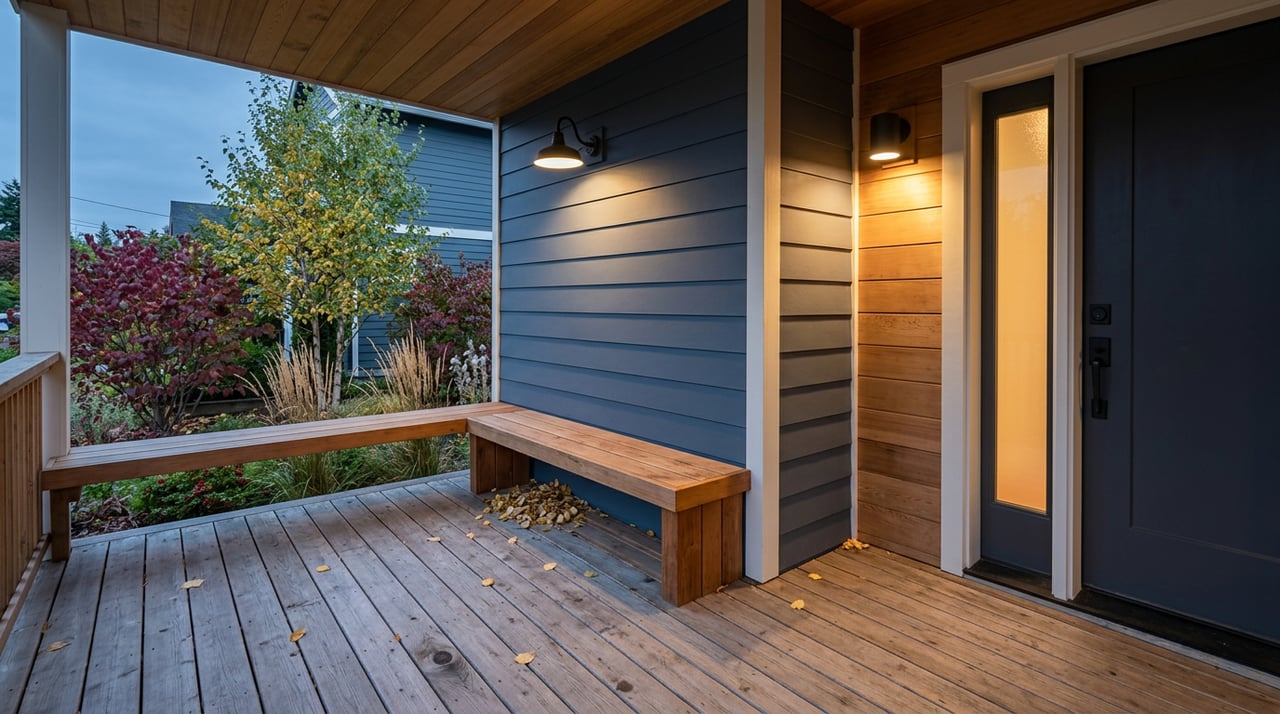
In Homer, weather shapes what buyers see as useful. NOAA climate normals for Homer Airport show 24.34 inches of annual precipitation and 47.4 inches of annual snowfall. Because of that, buyers may respond more strongly to covered decks, wind-protected patios, durable materials, and sheltered outdoor areas than to decorative exterior spaces that are harder to use.
If your home has outdoor areas tied to the view, think about how they function in real conditions. Buyers often appreciate:
The goal is not just to show that outdoor space exists. It is to show how a buyer could realistically enjoy it in Homer’s climate.
A strong Homer listing does more than mention a view. It explains the property as a package of scenery, site utility, and daily function. That is especially important in a market where buyers may be local, relocating from out of state, or comparing very different property types online.
Your listing should make it easy to understand what is being offered. Buyers want to know where the best views are from, how large the garage or shop really is, whether it is heated, how many vehicles fit, and whether the home offers direct water access or simply a strong water view.
This matters even more when buyers are shopping from a distance. NAR’s 2025 Home Buyers and Sellers Generational Trends report says 83% of buyers value photos and 41% value virtual tours. For a Homer view home, strong visuals are not optional. They help buyers understand what makes the property special before they ever step inside.
That often means using:
For sellers, this is where presentation can protect value. The right marketing helps buyers see the full picture instead of making assumptions from a few standard photos.
The most effective pricing approach usually goes beyond simple comps. In a market like Homer, two homes with similar size may command very different buyer response based on view quality, access, parking, and outbuilding utility. Generic comparisons can miss what buyers are actually paying attention to.
A more accurate approach is to think feature by feature. How durable is the view? Is the outdoor space usable? Does the property have true waterfront access? Is there a heated garage, boat storage, or RV parking? Are there bluff, erosion, or flood considerations that affect how buyers interpret the site?
When those questions are answered honestly and priced thoughtfully, your listing is more likely to attract serious buyers. That supports a smoother process because buyers understand both the strengths of the property and the realities that come with it.
In Homer, transparency builds confidence. Buyers often appreciate direct information about the property’s strengths and limits, especially for coastal, bluff-front, or view-oriented homes. If details are vague, they may assume more risk than the property actually presents.
Before your home hits the market, it helps to be ready to answer questions about:
Clear answers can make a listing feel more credible. In a niche market like Homer, credibility often matters just as much as curb appeal.
Selling a Homer view home is about more than showcasing a pretty outlook. You are helping buyers understand the full value of the property, including the scenery, the site, and the practical features that support daily life in coastal Alaska. When those pieces are priced and marketed clearly, buyers can see why your home stands apart.
If you want experienced local guidance on pricing, positioning, and marketing your Homer property, connect with the Buss & Turkington Real Estate Team. Their relationship-first approach and deep Homer market knowledge can help you present your home with clarity and confidence.
Stay up to date on the latest real estate trends.
Leading with our core standards and values we approach every decision with honesty and integrity. We take great responsibility in doing the right thing because it is the right thing to do.