
April 9, 2026
Buying or selling a home in Homer can feel straightforward until you reach two big checkpoints: the inspection and the appraisal. These steps often happen close together, but they serve very different purposes, and in a coastal market like Homer, they can raise questions you may not face elsewhere. If you understand what each one does, what local issues can affect the process, and how to prepare early, you can move forward with a lot more confidence. Let’s dive in.
A home inspection and a home appraisal are not the same thing, even though people sometimes group them together.
A home inspection focuses on the property’s condition. In Alaska, a registered home inspector must provide a written report that includes the inspector’s registration number and reviews the condition of each system and component within the inspection scope, according to Alaska home inspector statutes. Alaska also requires home inspectors to be registered and hold an Alaska business license.
A home appraisal focuses on market value. As Freddie Mac explains, an appraisal is an opinion of value prepared by a credentialed third-party professional so the lender can evaluate the home as collateral. Appraisers typically consider the location, lot size, comparable properties, visible condition, and major features.
That difference matters. Inspectors are there to evaluate systems and condition, while appraisers are there to assess value in the context of the market.
A home inspection is designed to help you better understand the property you are buying or selling. The inspector looks at the home’s systems and components within the scope of the inspection and documents the visible condition in a written report.
In Alaska, that report remains valid for 180 days after the inspector signs it, based on the state statutes. That can be helpful timing information if you are planning a sale or trying to line up your due diligence during a purchase.
It is also important to know what an inspection is not. It is not a guarantee that every issue will be found, and it does not establish market value.
An appraisal is usually ordered by the lender during a financed transaction. Its purpose is to determine whether the property’s value supports the loan amount.
According to Fannie Mae guidance on property condition, appraisers are not responsible for hidden or unapparent conditions. They do, however, report adverse conditions that are visible or discovered through research.
That means an appraiser may note condition issues they can observe, but the appraisal is still not a substitute for an inspection. If you are a buyer, both steps matter for different reasons.
Homer has market-specific factors that can affect inspections, appraisals, or both. For buyers and sellers, these are worth reviewing early instead of waiting for a surprise late in the transaction.
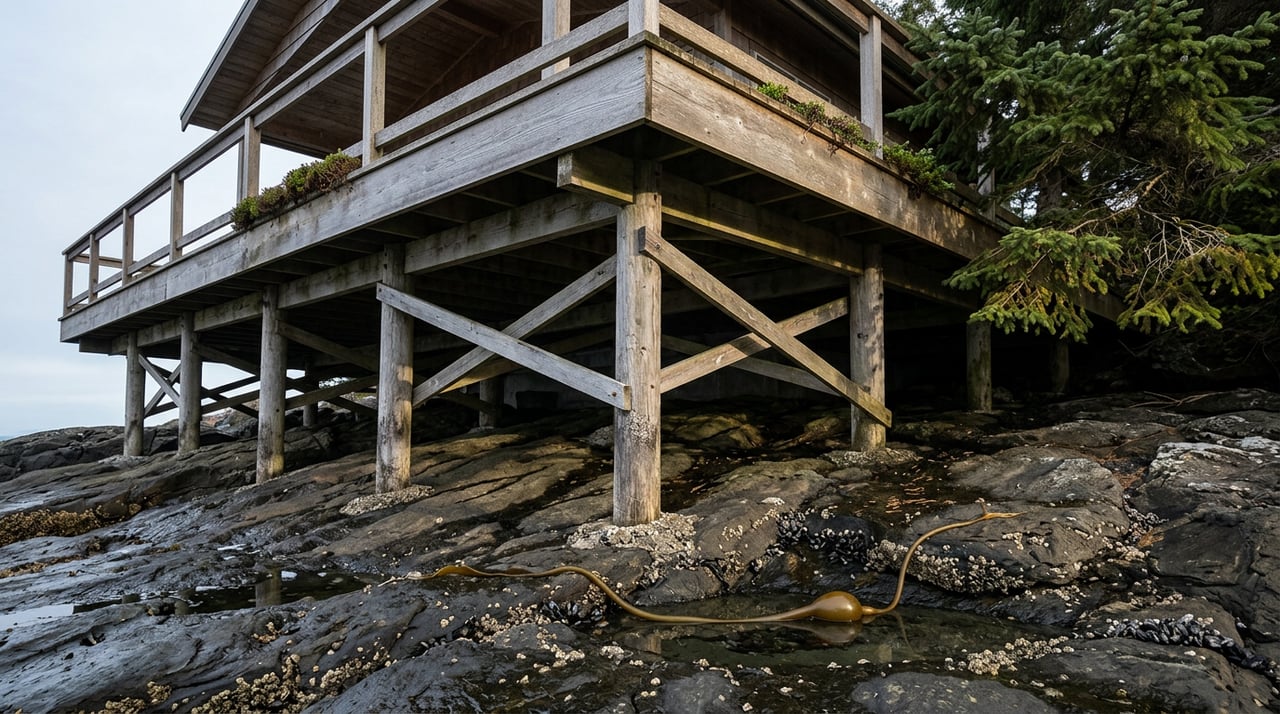
The Alaska Division of Geological & Geophysical Surveys found that Homer’s coastal bluffs have eroded at an average rate of about 1.0 foot per year since 1951. The report identifies shoreline change, bluff slope and height, vegetation, erosion protection structures, and drainage as important factors in bluff instability.
The City of Homer also states that coastal bluff failure poses a hazard to the city. If a home is on or near a bluff, buyers may want to review available records early and ask whether any additional evaluation or documentation is needed.
In lower-lying coastal parts of Homer, flood and tsunami exposure can also matter. The City of Homer says recent tsunami maps show a maximum inundation height of 50 feet, and properties below 50 feet in elevation are in the danger zone.
Flood risk is also important from an insurance standpoint. FEMA notes that flood damage is not covered by most standard homeowners policies, so checking flood maps is worthwhile even when a property does not look obviously vulnerable.
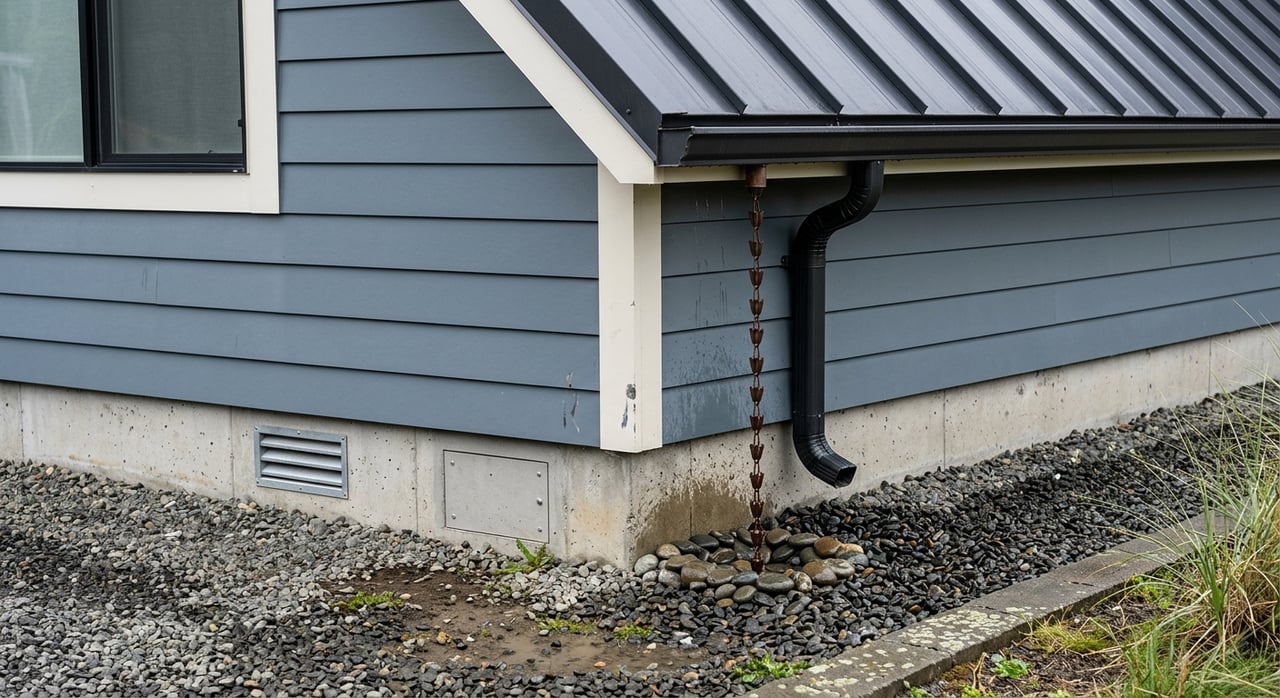
Coastal conditions can make moisture management especially important. Alaska DEC’s structural pest control manual notes that mold can grow in Alaska structures and that moisture control is the key to mold control.
The National Weather Service also notes that ice dams are common in northern climates and can force water under shingles, causing damage to ceilings, walls, and contents. For buyers, this is one reason to pay close attention to signs of drainage, roof performance, and past moisture issues.
If a Homer-area property has a private well or on-site wastewater system, gathering records early can help prevent delays.
The Alaska Department of Environmental Conservation real estate guidance advises buyers and sellers to gather wastewater system documents early, verify that the paperwork matches the home’s bedroom count and legal description, collect pumping and maintenance records, and schedule any needed inspection as soon as possible.
DEC also warns not to assume everything is fine just because plumbing fixtures appear to work normally. Older systems can fail even when the home seems to function as expected.
For private wells, Alaska DEC guidance for well owners says the owner is responsible for system maintenance and water testing. DEC recommends annual nitrate and coliform testing at a minimum, with arsenic testing in some areas and radon testing if radon has been found in the home’s air.
DEC also recommends keeping:
EPA similarly recommends annual private well testing for at least coliform bacteria, nitrates, total dissolved solids, and pH.
DEC’s practical maintenance guidance is especially relevant in coastal or flood-prone settings. The agency recommends keeping drainage away from the wellhead, maintaining the casing at least 12 inches above grade or above the well-house floor, and inspecting for broken caps, damaged casing, or standing water around the well.
After a flood, DEC advises against using well water for drinking until the system has been disinfected and retested. For buyers, that makes documentation and site review especially important when evaluating a property near water or in a lower-lying area.
In Homer, views and waterfront access can be a major part of a property’s appeal. They can also make the appraisal process more nuanced.
Fannie Mae appraisal standards include separate fields for location, site, and view, and specifically identify waterfront as a location factor. The same standards allow appraisers to rate location and view as neutral, beneficial, or adverse.
Fannie Mae also notes that not all water views are equal. Two homes may both have a water view, but if the market values those views differently, the appraiser must reflect that difference in the report. That is one reason waterfront, bluff, and view properties often need more analysis than a more typical inland home.
Comparable sales are a major part of that process. Under Fannie Mae comparable sales guidance, appraisers should use sales with similar physical and legal characteristics and consider external factors such as FEMA flood zones when selecting comparables. In a market like Homer, where some properties are especially distinctive, the appraiser may need to use a broader market area or less-perfect comparables and then explain the adjustments.
If you are selling, a little preparation can go a long way.
Freddie Mac recommends taking care of minor repairs, clearing clutter so accessible areas can be seen, and preparing a list of improvements with dates. Small issues like leaky faucets, flickering bulbs, and loose stair railings can affect the overall condition impression.
For Homer homes, it also helps to organize property-specific records before the inspection or appraisal appointment. That may include:
If the property is on or near a coastal bluff, in a flood zone, or within a tsunami hazard area, checking maps and documents early can help you stay ahead of follow-up questions.
If you are buying in Homer, ask for key records as early as possible. This is especially important for homes with private wells, septic systems, waterfront influence, bluff proximity, or other site-specific factors.
You should also keep in mind that the appraisal timeline is not always immediate. Freddie Mac says the appraiser’s report usually goes to the lender about one to two weeks after the visit, though it can take longer in busy markets. Appraisers also generally cannot discuss the result with anyone other than the lender.
The more complete the property file is from the start, the easier it is to keep the transaction moving.
In a market like Homer, inspections and appraisals are not just routine boxes to check. They are part of understanding how a specific property relates to local land conditions, coastal exposure, utilities, and the broader market.
That is why local guidance matters. When you know which records to gather, which maps to review, and which property features may need extra explanation, you are better positioned to avoid delays and make informed decisions. If you are preparing to buy or sell in Homer or the lower Kenai Peninsula, the Buss & Turkington Real Estate Team can help you navigate the process with clear communication, local insight, and hands-on support.
Stay up to date on the latest real estate trends.


Leading with our core standards and values we approach every decision with honesty and integrity. We take great responsibility in doing the right thing because it is the right thing to do.