
February 5, 2026
Wondering what it really feels like to live in Homer through every season? You might picture fishing boats on Kachemak Bay, long summer sunsets, and quiet winter mornings. That’s all here, along with a practical rhythm that shapes how you shop, work, and connect with neighbors. In this guide, you’ll learn what year‑round life looks like day to day, from daylight and weather to services, housing, and community. Let’s dive in.
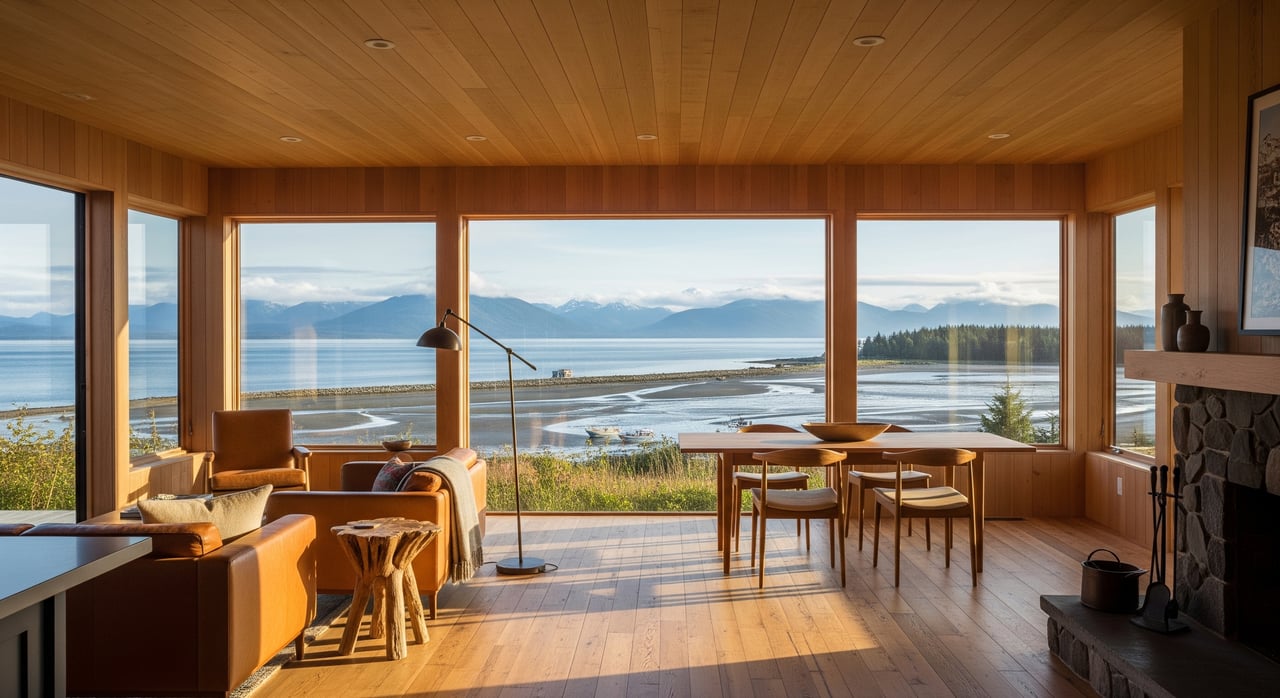
Homer sits on the south shore of the Kenai Peninsula, facing Kachemak Bay and surrounded by water and wilderness. It is a small coastal city with approximately 5,000 to 6,000 residents, which creates a friendly, small‑town feel and active civic life. You’ll find a working harbor, a vibrant arts scene, and quick access to outdoor recreation. For a snapshot of city services and community resources, explore the City of Homer’s official site.
The local economy blends commercial and sport fishing, tourism, healthcare, education, government, and small business. This mix provides a baseline of year‑round jobs, with more seasonal work during summer. You’ll also meet people who combine remote work with part‑time local roles.
Homer’s seasons feel distinct because of high‑latitude daylight swings. You’ll enjoy long summer days and short winter days, which influence routines, social life, and outdoor plans.
Around the summer solstice, you’ll see roughly 18 to 20 hours of usable light. Evenings are long, so you can hike or fish after dinner and still watch a late sunset. Mild temperatures in the upper 50s to low 60s Fahrenheit make it comfortable to be outside. For a sense of daylight patterns by date, check the timeanddate daylight summaries for Homer.
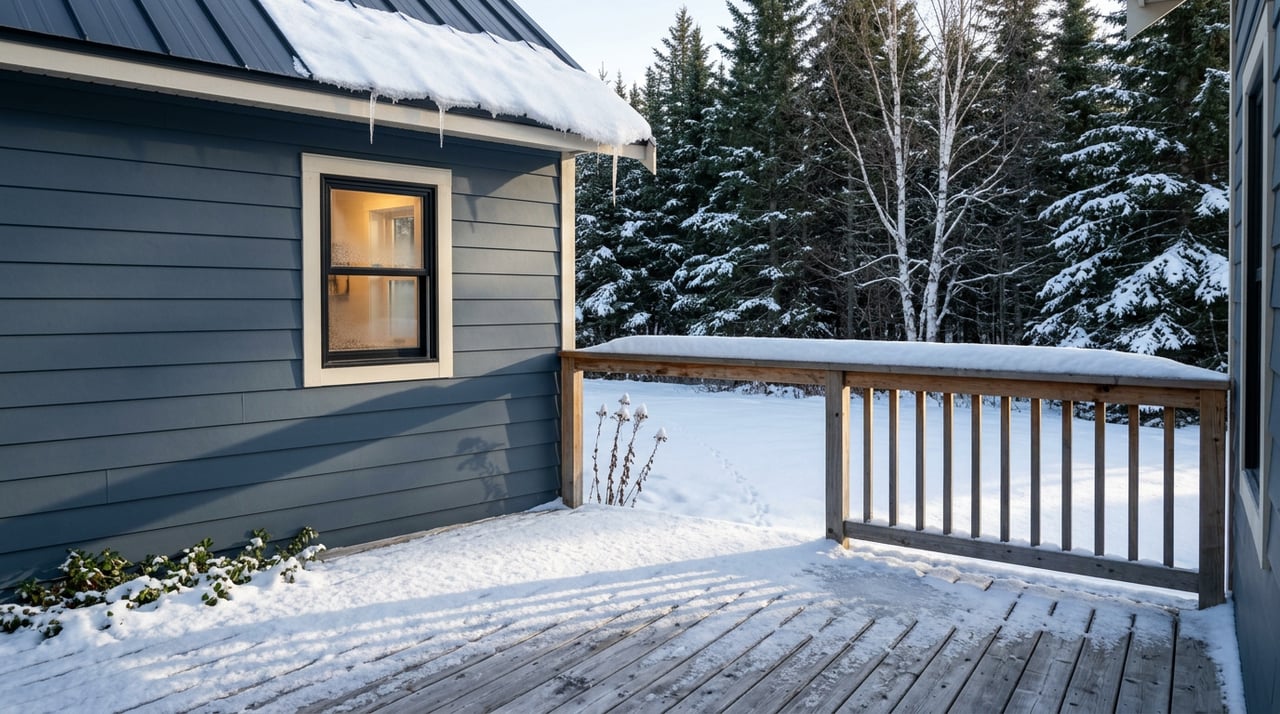
Near the winter solstice, daylight narrows to roughly 5 to 7 hours. Many residents keep routines purposeful and plan errands, outdoor time, and travel windows around available light. Winter weather is milder than interior Alaska but still chilly, with temperatures often in the 20s to 30s Fahrenheit. You’ll rely on good layers, traction for icy days, and steady home heating. For context on local climate trends and forecasts, use the National Weather Service resources.
Homer’s social calendar changes with the seasons. Spring brings migratory birds and early festivals, summer fills the town with visitors and outdoor events, fall quiets down, and winter shifts indoors with local gatherings and winter recreation.
To see current events and festivals, follow the Homer Chamber of Commerce calendar.
Living here year‑round means planning ahead a bit, especially in winter, but you can cover most weekly needs in town.
You’ll find several grocery options and local shops. Selection is smaller than in large cities and specialty items can be limited or higher‑priced due to freight costs. Many residents stock up on staples, especially in late fall, and plan for heating fuel deliveries before the coldest months.
South Peninsula Hospital provides emergency care and a range of local services. For complex or specialized care, you may travel to larger hubs like Anchorage. Learn what the facility offers and local clinic connections through South Peninsula Hospital.
Public K–12 education in Homer is part of the Kenai Peninsula Borough School District, with local campuses for elementary, middle, and high school. Families appreciate proximity to schools and extracurriculars during winter months. For district details, visit the Kenai Peninsula Borough School District.
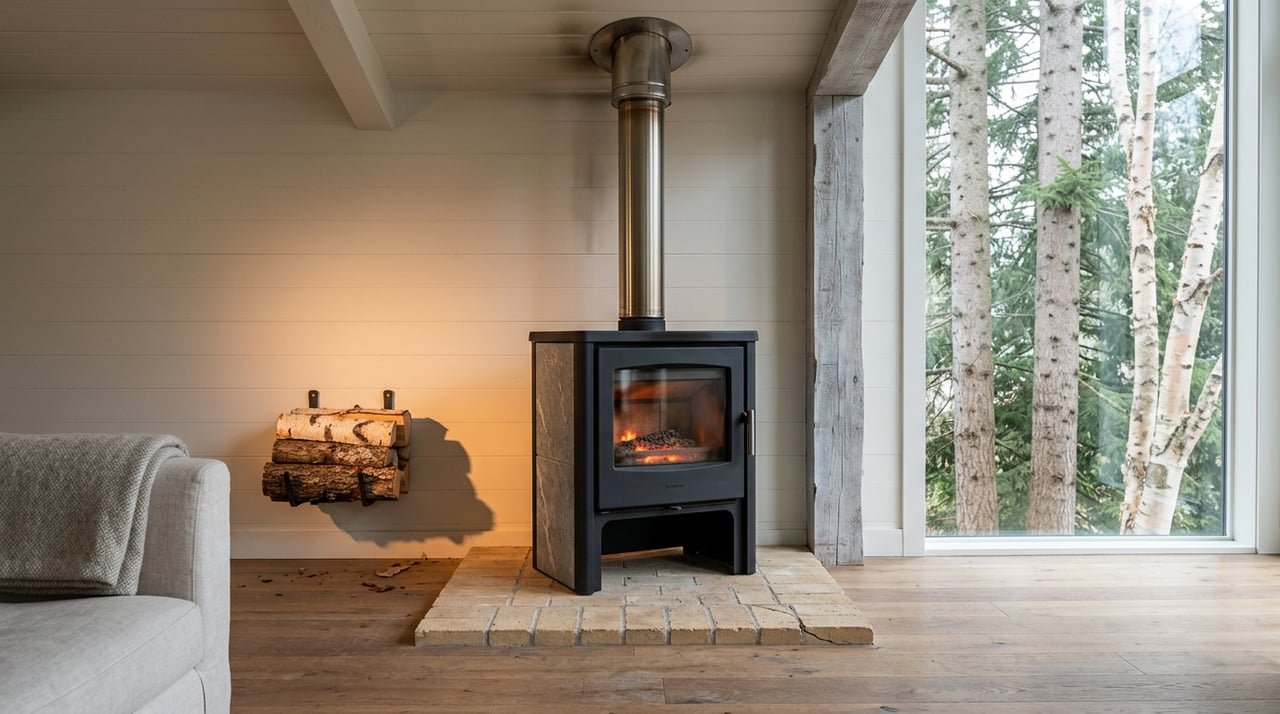
Electricity is provided by Homer Electric Association, and many homes heat with fuel oil, propane, or electricity. Internet is available from regional carriers and satellite providers, with performance that varies by neighborhood. For power service and efficiency programs, check Homer Electric Association.
Your travel plan matters in Homer. The Sterling Highway connects you to the rest of the Kenai Peninsula and to Anchorage. Winter conditions can affect drive times, so winter tires and flexible scheduling help. Within town, snow removal is routine, and most errands are a quick drive.
Homer’s airport serves regional flights and air taxi services. Many residents fly from Kenai or Anchorage for broader routes. On the water, water taxis connect you to Kachemak Bay destinations for hiking or cabin trips, and ferry options vary by season. For road and marine system updates, use the Alaska Department of Transportation resources.
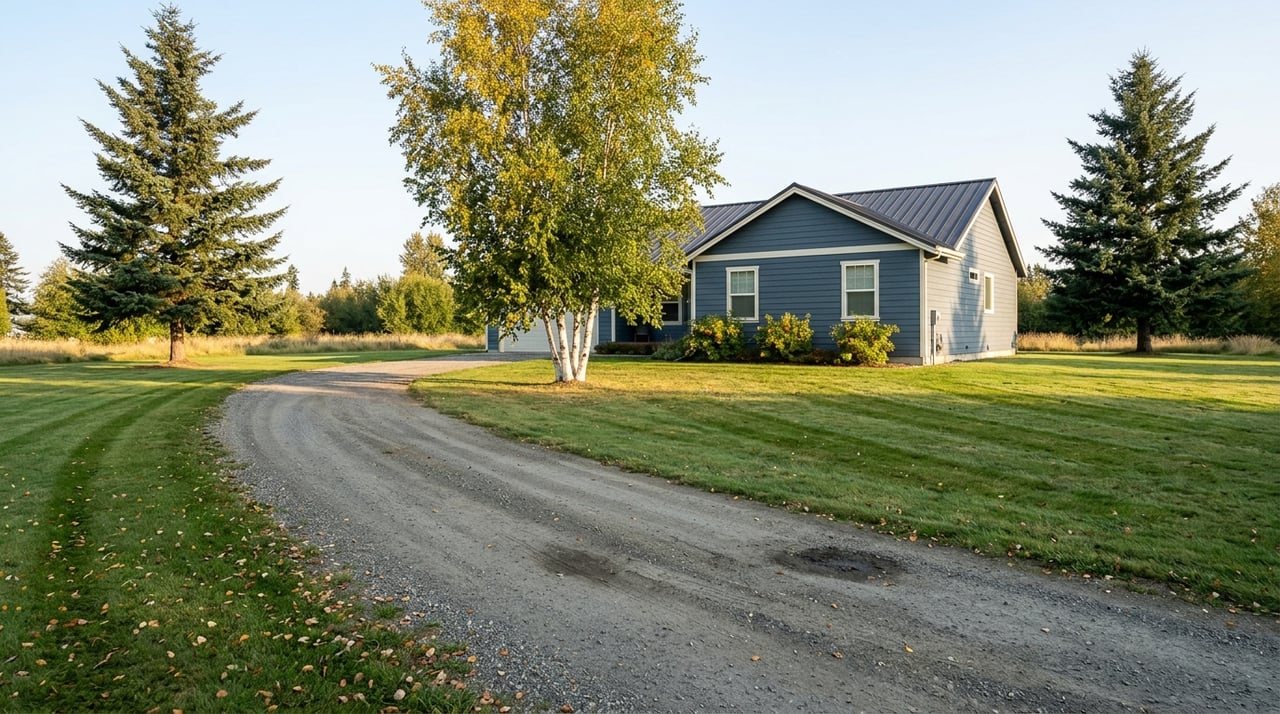
Homer’s housing market is smaller than big metro areas, so inventory can feel tight at times. You’ll find single‑family homes, cabins, some condominiums, and a limited number of multi‑family options. Short‑term rentals can influence availability in peak seasons.
Prices for groceries, utilities, and fuel tend to run higher than the U.S. average because of freight and distance. Many residents plan for heating fuel budgets and timing fuel deliveries before cold snaps. If you are moving from out of state, comparing utility costs and delivery schedules is a smart first step.
Year‑round work exists in healthcare, education, local government, and small business, with more seasonal roles in fishing and tourism. Some residents pair a steady job with seasonal income or part‑time work during summer.
Remote work is feasible. Internet options include regional providers and satellite, and service quality can vary by address. Redundancy helps, such as a backup hotspot or power plan if you rely on connectivity for your job.
Being prepared cost‑effectively makes winter smoother. Use this simple checklist to get started:
For planning weather‑dependent errands and weekend trips, follow local forecasts through the National Weather Service.
Homer’s identity blends a strong arts community with fishing, boating, and outdoor recreation. You’ll meet neighbors at galleries, local markets, and volunteer events. Clubs, churches, and nonprofits keep social life steady in winter when tourism slows.
Outdoor access is part of Homer’s draw. Kachemak Bay State Park offers boating, kayaking, hiking, and camping, many of which require a water taxi. Explore park access, regulations, and trail options with Alaska State Parks’ Kachemak Bay resources.
If you value coastal scenery, a small‑town pace, and ready access to trails and water, Homer may feel like home. You’ll adapt best if you plan ahead for winter driving, fuel, and travel to larger hubs for specialized services. The payoff is a community that knows and supports its neighbors, plus long summer evenings that redefine time outside.
As you weigh your move, ground your plans in reliable, local information. The city’s official page provides municipal services and updates, the U.S. Census QuickFacts for Homer offers an overview of population context, and the Homer Chamber of Commerce highlights events and business resources.
Ready to explore neighborhoods, compare home types, and plan a move that fits your lifestyle? Connect with the Buss & Turkington Real Estate Team for local guidance, virtual tours for remote buyers, and a straightforward plan to settle in Homer.
Stay up to date on the latest real estate trends.

Leading with our core standards and values we approach every decision with honesty and integrity. We take great responsibility in doing the right thing because it is the right thing to do.