
January 22, 2026
Selling a coastal home in Homer is about more than fresh paint. Here, tides, light, and gear storage shape how buyers see your property online and in person. You want clean, honest visuals that highlight views and function, plus a showing plan that works for both local and Lower 48 buyers. This guide gives you a clear plan for exterior refresh, organized storage, photo timing, and safe, smooth showings. Let’s dive in.
Many buyers come for the lifestyle and views, and they expect practical systems that work in a maritime climate. Be ready to answer questions about heating, internet options, storage for boats and gear, and year-round access. Clear, accurate information builds trust and helps remote buyers feel confident about your home.
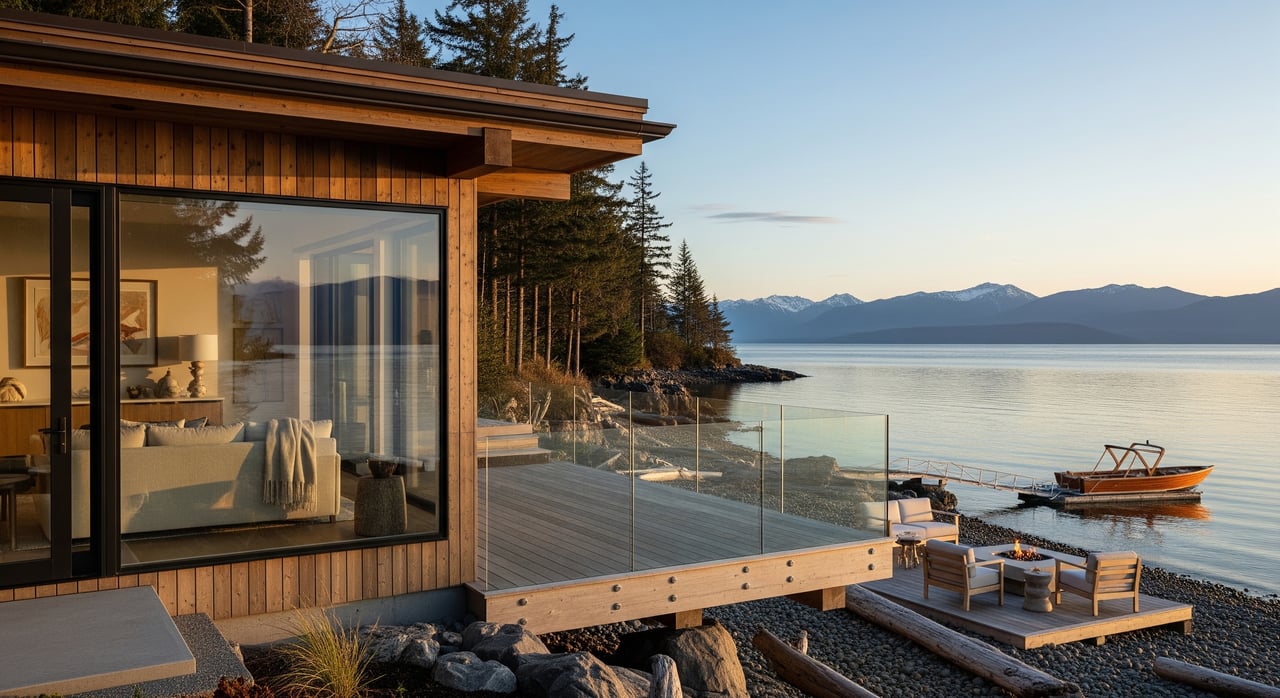
Highlight the everyday benefits that matter here. Views toward Kachemak Bay and the mountains, tidy outdoor spaces, and organized gear zones show that your property is both beautiful and easy to live in. Keep presentation honest and focused on function.
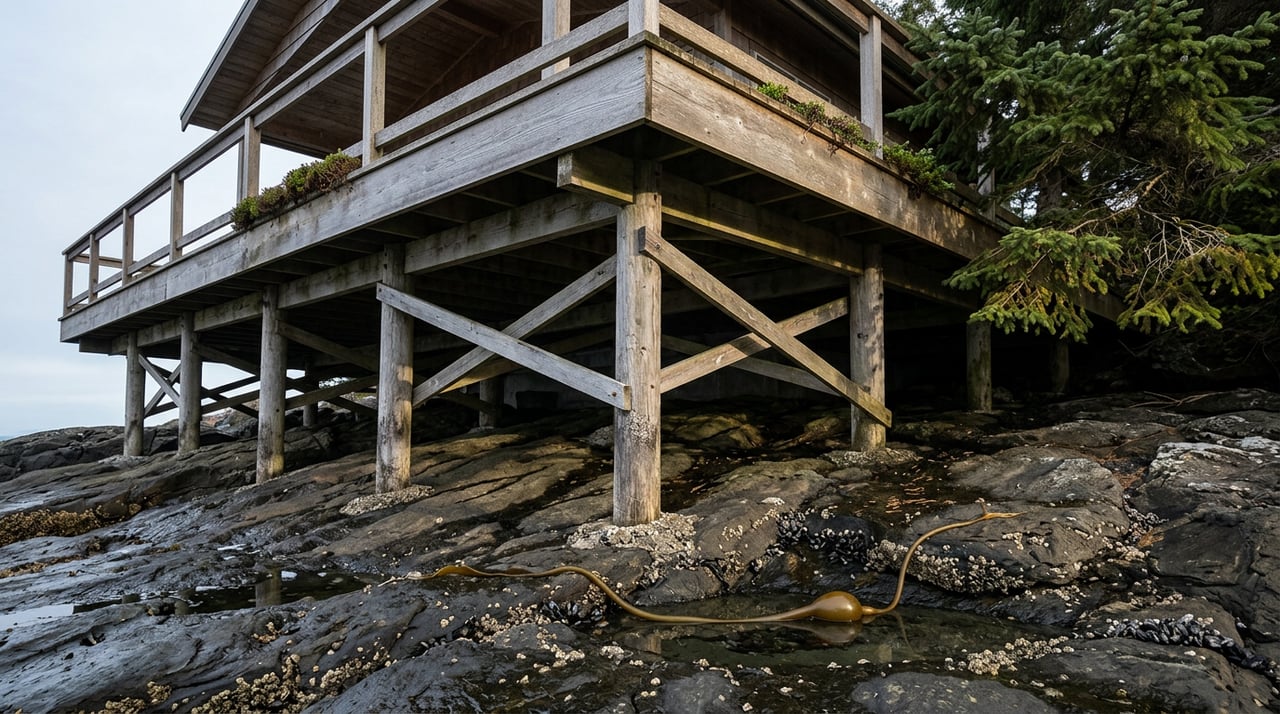
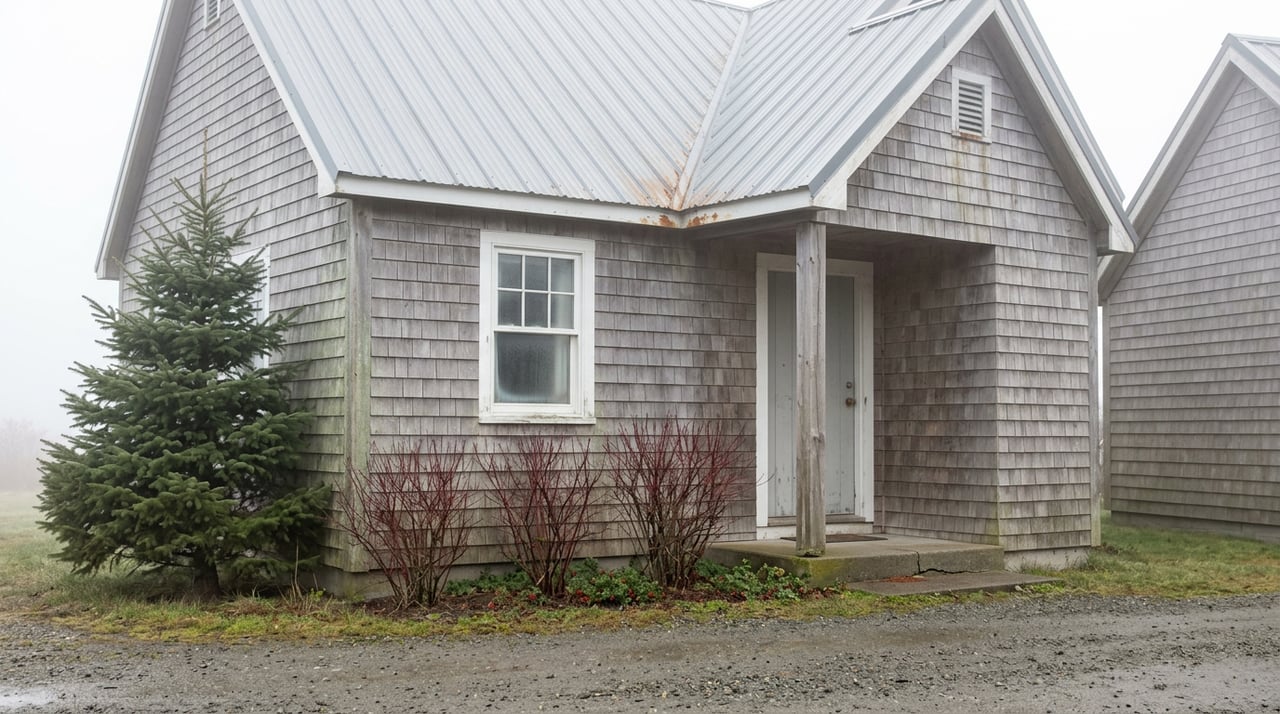
Salt air and moisture age exteriors quickly. Pressure wash siding, decks, and walkways to remove salt, algae, and mildew. Inspect fasteners, hinges, and railings for corrosion and replace with stainless or other corrosion-resistant hardware. Clean gutters and downspouts so water drains away and does not pool along the foundation.
Repaint or re-seal surfaces that show peeling or chalking. Use exterior or marine-grade products suited for salt exposure. A clean, sealed exterior photographs better and reassures buyers that maintenance has been handled.
Check roof flashing, vents, and chimney seals, then replace missing shingles or patch leaks. Coastal storms and salt can shorten the life of these components. Inspect windows and doors for fogging and ensure weatherstripping is intact. Clean glass thoroughly so the views read crisp and clear in photos.
Verify attic and crawlspace ventilation to reduce moisture and mold risk. A dry, well-ventilated envelope is a major selling point in a maritime climate and helps your inspection go smoothly.
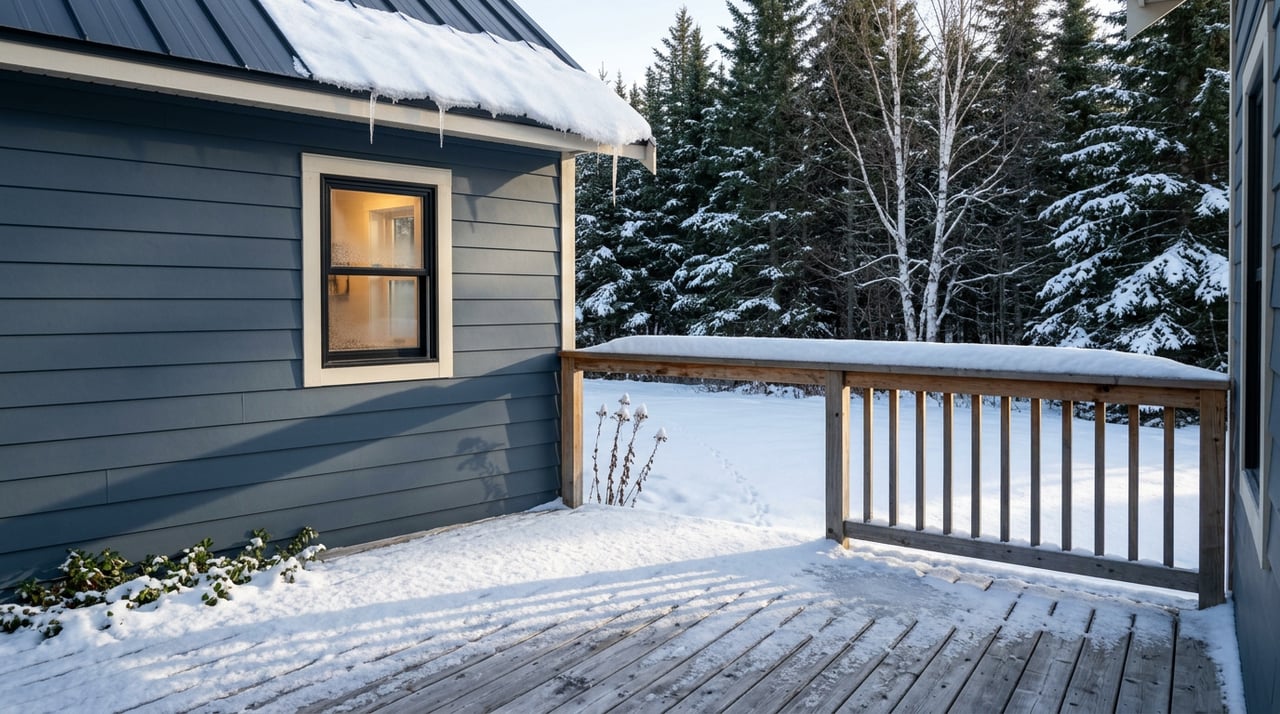
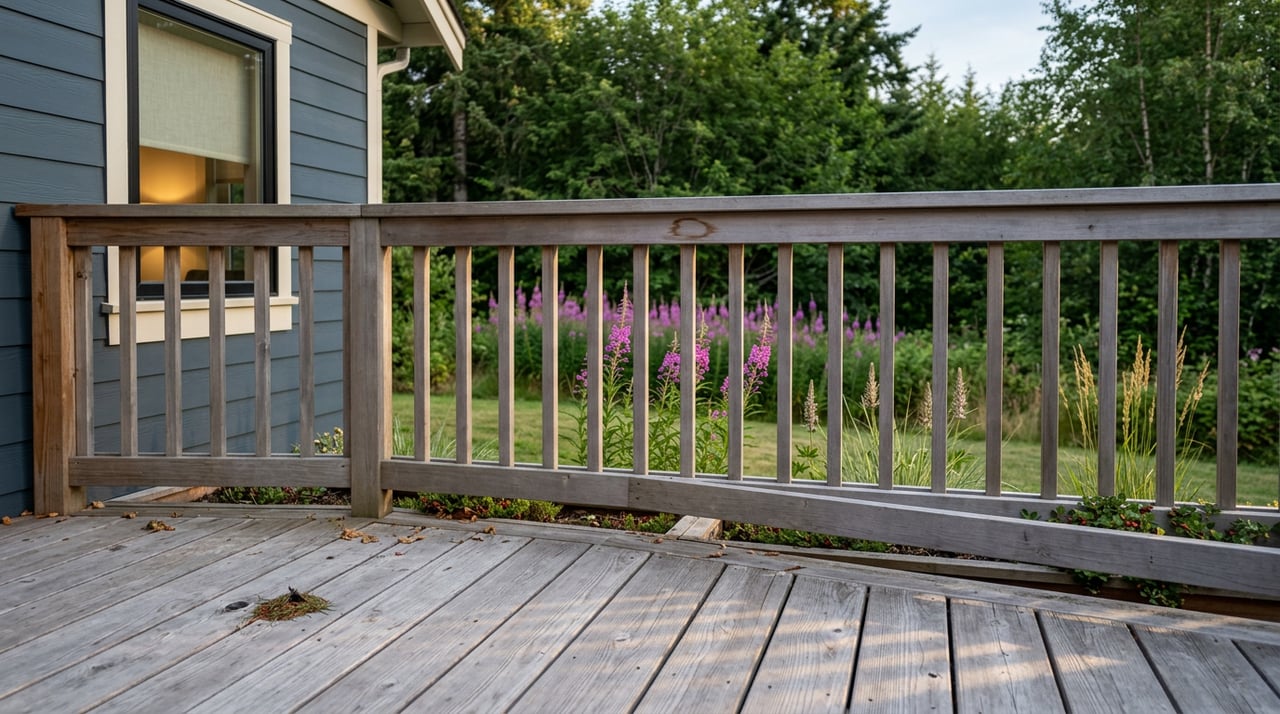
Repair loose boards and wobbly railings and correct any trip hazards before photography and showings. Refinish exposed wood with products designed for salt air. After a power wash, apply a quality sealer for a refreshed look that reads well in listing photos.
Trim back vegetation that blocks water and mountain sightlines. Keep plantings low in the primary view corridor and use simple beds with hardy native species that handle wind and salt. Remove clutter, dead vegetation, and unused structures from sight lines.
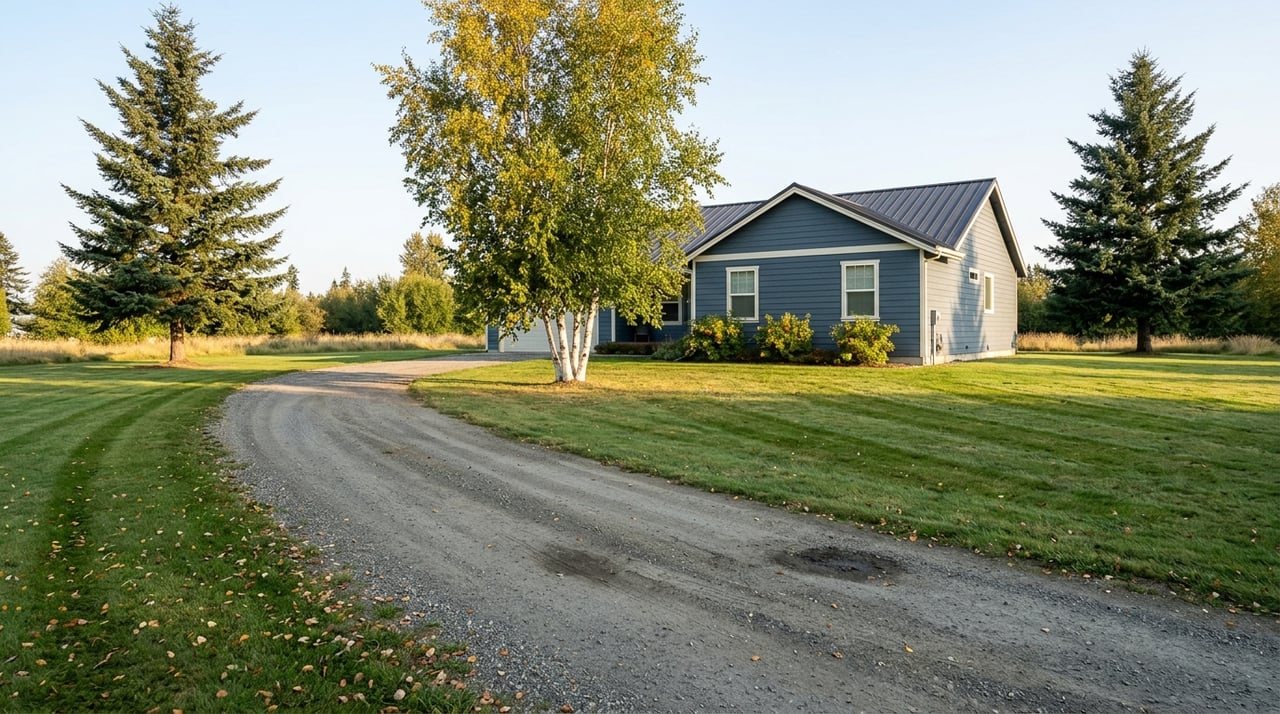
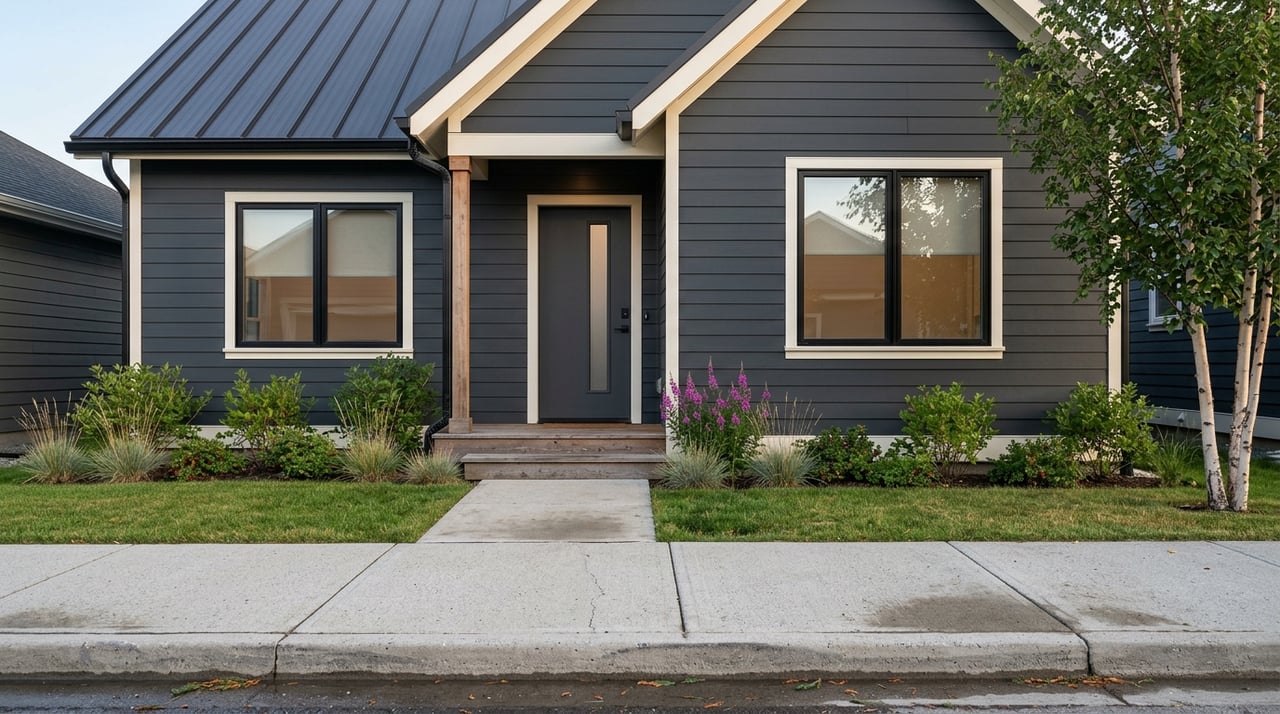
Define the entry path and driveway so approach shots feel clear and welcoming. Simple gravel accents, stone steps, or low boulder groupings can add structure with minimal upkeep.
Do not alter the shoreline without first checking permits and setback rules with local authorities. If your property includes erosion protection that was professionally installed, plan to disclose it. For visuals, it is better to schedule photos around the tide you prefer than to make temporary changes that raise questions later.
Outdoor living is a big draw in Homer. Show buyers how your property handles it. Use lockable sheds, screened boat covers, and uniform shelves or racks in the garage. Label bins for smaller items like fishing gear and keep everything tidy.
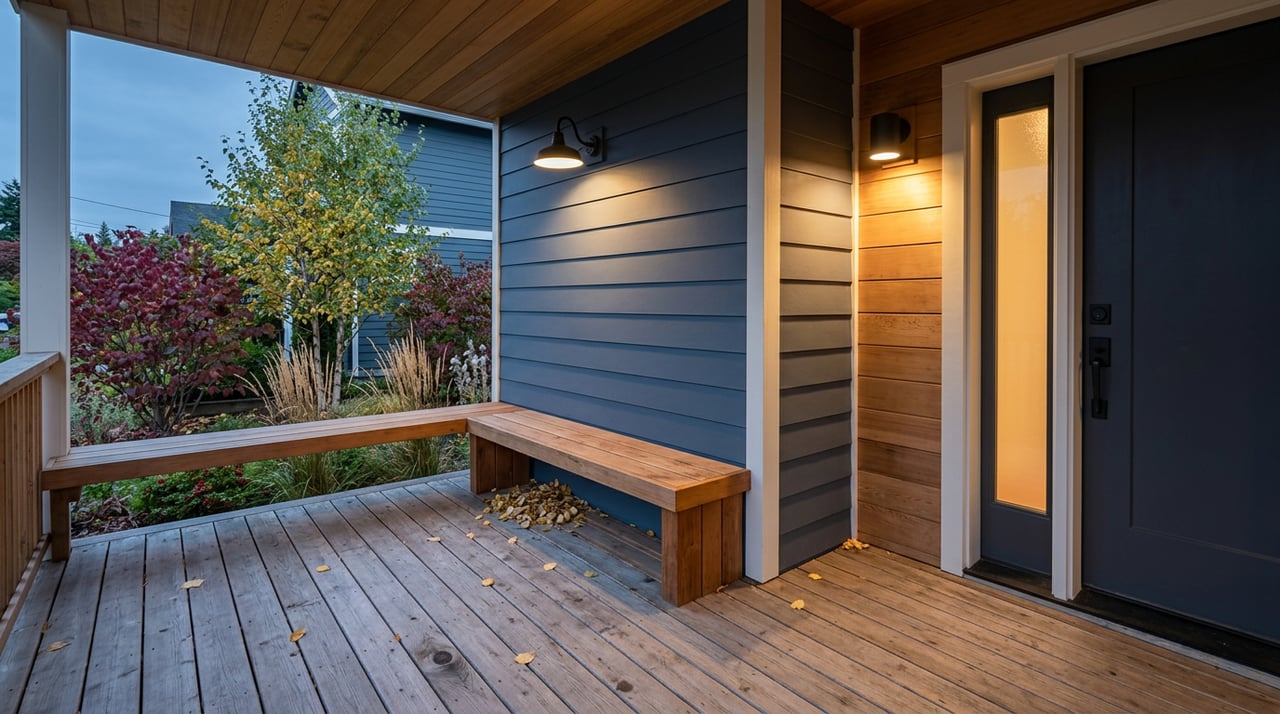
Inside, stage a mudroom or entry with hooks, a bench, a boot tray, and cubbies. This organized transition zone tells buyers your home is ready for muddy days and wet gear.
If on-site storage is limited, consider nearby storage options or think about including a covered trailer or small shed with the sale. The goal is to present a clean, workable system rather than a busy yard.
If a boat or trailer appears in photos, make sure it is clean and positioned to complement the property rather than block views. When in doubt, move boats out of the main view corridor for photography. Remove stacks of nets, lines, and loose gear so the yard reads as ready for immediate enjoyment.
Create a short checklist to put the yard in order fast during shoulder seasons or short-notice showings. Keep matching bins on hand, close shed doors, and have a designated spot where tarps and loose items go before a showing. Consistency makes it easy to keep everything looking neat.
Homer’s long summer light can give you extended golden-hour options. Schedule exterior photography for sunrise or sunset on a clear or partly cloudy day to capture warm light on the water and mountains. In winter, daylight is short, so you may rely more on interiors and dusk shots with lights on.
Plan waterfront or bluff photos around tides. Decide whether you want exposed beach or water at the bluff, then schedule your photographer using local sunrise, sunset, and tide tools. This simple step can dramatically improve how your view reads online.
Capture multiple lighting conditions so buyers get both drama and detail:
Include context shots that show access, parking, and proximity to the Spit or shoreline. Represent distances and views honestly.
In summer, work with natural light and neutral wall colors to keep photos crisp. In winter, use daylight-balanced LEDs to complement dim outdoor light and avoid orange color casts. Reduce glare from water reflections by shooting when the sun angle is lower. A pro photographer can also use polarizing filters when needed.
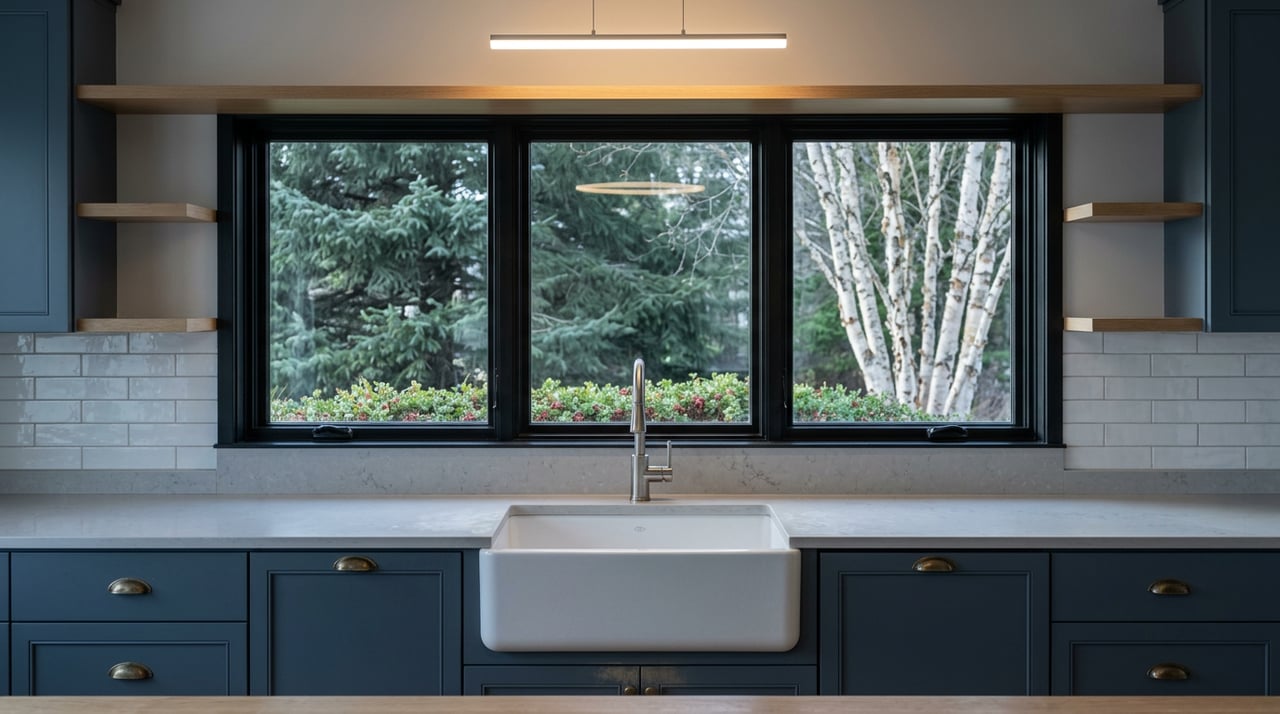
Show utility spaces clearly. Mudrooms, laundry, and storage areas carry extra weight for remote buyers who are planning a practical daily routine.
Give your photographer a clear brief:
Secure all attractants. Lock up fish-cleaning stations, store trash and pet food properly, and remove strong food scents. Follow Alaska Department of Fish and Game guidance for bear-aware practices and keep clear instructions for visitors when needed.
Make all walkways safe. Remove moss and algae, and use removable non-slip mats in wet weather. Buyers should feel comfortable moving through the property.
Prepare a simple info sheet for buyers. Include heating type, recent service, fuel storage details, and typical use patterns that help buyers understand reliability. Test internet speed and list available providers or solutions, including satellite or fixed options where relevant.
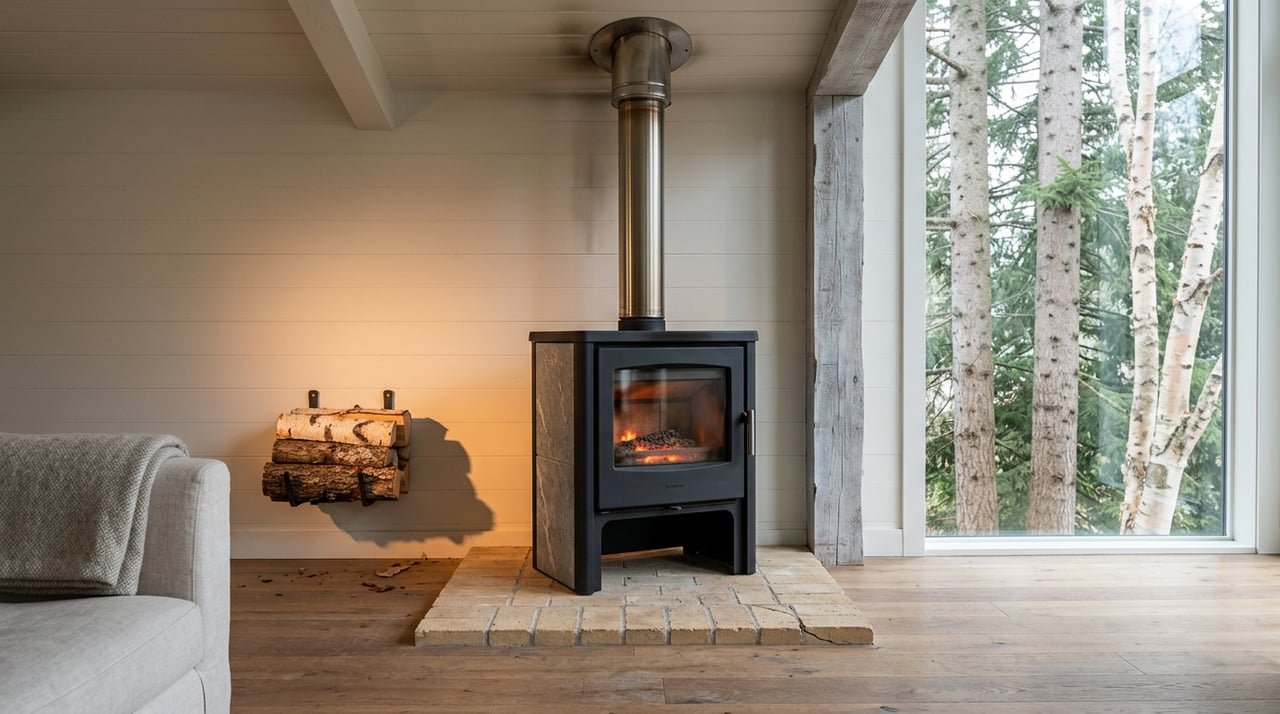
Air out interiors and replace HVAC filters. Coastal moisture and strong odors can linger, so keep the environment fresh and neutral.
Many buyers come from the Lower 48. Provide practical travel notes such as access from Anchorage by road or air, expected drive time on the Sterling Highway, and seasonal considerations. Offer virtual showings and professional video or 3D tours so remote buyers can evaluate the property before booking a trip.
Use this condensed list to keep showings consistent:
Before you make changes near the shoreline, verify rules with the Kenai Peninsula Borough and state authorities. Review FEMA flood maps and local floodplain guidance for property-specific considerations. For photography, schedule around current NOAA tide and weather products rather than relying on estimates.
Keeping your approach aligned with local conditions helps you present a home that looks great, functions well, and passes buyer scrutiny.
You do not have to do this alone. The Buss & Turkington Team pairs deep Homer expertise with professional photography and premium listing marketing that reaches both local and Lower 48 audiences. We help you plan photo timing around tides and light, organize gear storage, and package the details buyers ask about, from heating systems to internet options and access.
Ready to make a strong first impression and move forward with confidence? Connect with the Buss & Turkington Real Estate Team for a customized plan that fits your property and timeline.
Schedule a Free Consultation with the Buss & Turkington Real Estate Team
Stay up to date on the latest real estate trends.
Leading with our core standards and values we approach every decision with honesty and integrity. We take great responsibility in doing the right thing because it is the right thing to do.